When questions about how a fire started begin to surface, the situation can shift quickly, and an arson lawyer in Clinton may become involved sooner than expected. What may appear unclear at first can quickly be interpreted as a deliberate act involving fire or explosion. In Clinton and throughout Anderson County, these allegations carry serious legal consequences from the very beginning, particularly in cases where the fire creates a risk of harm similar to other violent crimes.
Arson charges are commonly built on technical investigations instead of direct evidence or eyewitness accounts. Investigators study burn patterns, chemical traces, and other details to form conclusions about how a fire started. Because these findings rely on interpretation, individuals may face charges even when intent is not clearly established.
As the investigation develops, the situation can become more complex and difficult to understand. In many cases, a single expert conclusion can influence how charges are filed and how the case moves forward. This can leave individuals unsure how their actions are being interpreted during the investigation.
A conviction for arson can lead to prison time, financial penalties, and long-term consequences that extend beyond the courtroom. The impact may affect employment, housing, and daily stability in ways that are difficult to reverse. These risks make it important to understand the situation early and respond carefully.
Because of the seriousness of these charges, taking action early can make a meaningful difference in how the case unfolds. A lawyer can review the investigation, assess how evidence is being used, and identify potential issues. Early legal guidance helps protect your rights and strengthens your position moving forward.
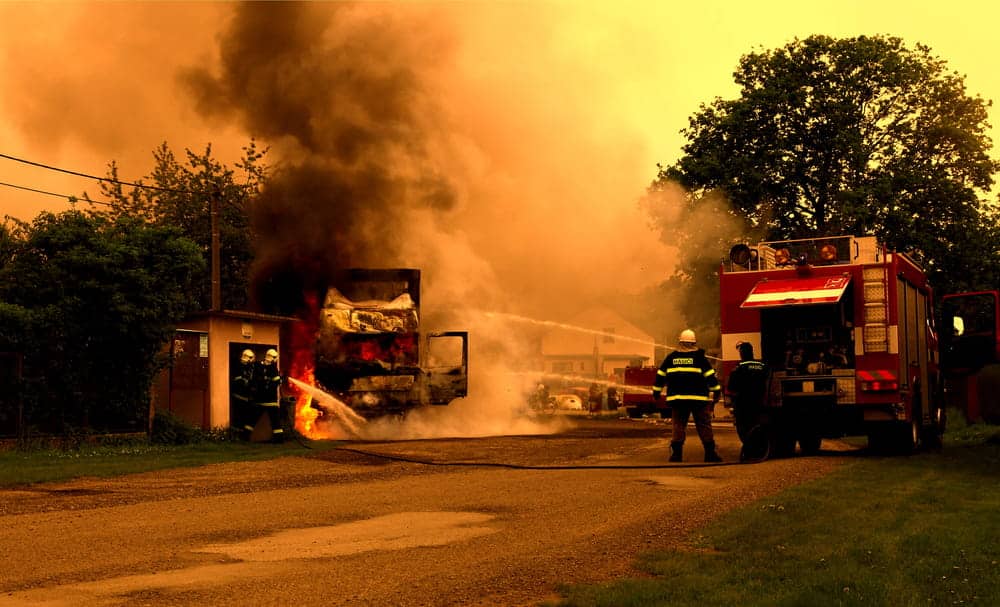
What Leads to Arson Charges in Tennessee
Actions That Can Result in Arson Charges
Arson cases often involve situations where a fire is treated as intentional damage under state law. Under Tennessee law, arson generally involves knowingly damaging property by fire or explosion without consent. This definition focuses on intent rather than the simple occurrence of a fire.
Fires involving homes, buildings, or controlled property may lead to allegations when investigators suspect unlawful conduct. Ownership and consent are closely examined to determine whether the act qualifies as a criminal offense. Prosecutors also review possible motives, including financial gain or attempts to conceal other activity.
As the investigation develops, conclusions often depend on how the fire is interpreted based on available evidence. This can create uncertainty, particularly when intent is not clearly visible from the scene. A single finding may shape how charges are filed and how the case proceeds.
Because of this, a fire does not automatically establish arson under Tennessee law. The prosecution must prove that the act was done knowingly and for an unlawful purpose. This requirement places intent at the center of how these charges are evaluated and defended.
Factors That Affect Charge Severity
Several factors influence how serious an arson charge may become once it is filed. In Tennessee, the level of risk created during the incident plays a central role in how the case is evaluated.
Key factors that may increase the seriousness of an arson charge include:
- The presence of individuals during the fire, especially in occupied structures
- The extent of property damage, including whether the fire spread beyond a single structure
- The level of risk created for others during the incident
Cases involving occupied structures are often treated with greater concern due to the potential for harm. Larger losses or widespread damage may also result in more serious consequences depending on the facts.
As more details are reviewed, surrounding circumstances may further shape how the case is evaluated. Prior conduct or related factors can raise concerns about intent and overall risk. Courts and prosecutors consider these elements when determining the appropriate level of the charge.
When these factors are combined, charges may be elevated to more serious felony levels under Tennessee law. This progression increases both legal exposure and potential penalties. Understanding how these elements apply helps clarify why some cases become more severe than others.
Criminal Penalties for Arson in Tennessee
Standard Arson Penalties
Arson cases carry serious criminal penalties that depend on how the offense is classified under Tennessee law. The level of the charge determines both the length of incarceration and the financial penalties that may apply.
Criminal penalties for arson-related offenses may include:
- Standard arson (Class C felony):
- 3 to 15 years in prison
- Fines up to $10,000
- Arson involving a place of worship (Class B felony):
- 8 to 30 years in prison
- Fines up to $25,000
The final sentence depends on several factors, including the nature of the property and the circumstances surrounding the fire. Courts review how the incident occurred and whether any risks were created during the event. In Clinton, these cases are typically handled through the Anderson County Circuit Court, where details often influence how penalties are applied within the legal range.
Because of these structured sentencing rules, arson charges are treated as serious felonies from the outset. Even at the lowest level, the penalties involve long-term consequences that affect both freedom and financial stability. These penalties highlight the serious risks involved in these cases.
Aggravated Arson Consequences
Aggravated arson applies when a fire involves an occupied structure or causes serious bodily injury. Under Tennessee Code Annotated § 39-14-302, this offense is treated as a more severe category. The presence of people or harm significantly increases the legal exposure in these cases.
This offense is classified as a Class A felony, which carries the most severe penalties under Tennessee law. A conviction may result in:
- 15 to 60 years in prison
- Fines of up to $50,000
In addition to prison and fines, individuals may be required to pay restitution for damage caused by the fire. These financial obligations can extend long after the criminal case is resolved. A conviction also results in a permanent felony record that cannot be easily removed.
The long-term impact often affects employment, housing, and future opportunities in significant ways. Many background checks will reflect the conviction, creating ongoing challenges. These consequences show why aggravated arson is treated as one of the most serious offenses under state law.

How Arson Cases Are Investigated
Fire Investigation Methods
Arson cases often rely on detailed investigations that focus on how a fire started and how it spread. Investigators begin by examining the scene to determine the origin and cause of the fire. This initial step helps guide the direction of the entire case.
Key elements of a fire investigation may include:
- Burn patterns and physical evidence that show how the fire developed
- Damage levels and material conditions that help trace the origin
- Chemical testing to detect accelerants or other substances
These findings help investigators determine whether the fire was accidental or intentionally set. Samples collected from the scene are analyzed to identify substances that could influence how quickly the fire spreads. As a result, scientific analysis often supports or challenges early assumptions made during the investigation.
Official reports and expert findings bring together these observations into a structured analysis of the event. Investigators document their conclusions based on the evidence collected and reviewed. These reports often become a key part of how allegations are formed and presented.
Supporting Evidence in Arson Cases
Beyond how the fire itself is analyzed, additional evidence is used to support the case. Witness statements and emergency response records provide context about what occurred before and during the fire. These accounts help establish timelines and identify relevant details.
Surveillance footage or recorded observations may also be reviewed when available. Cameras near the location can capture movements or activity that relate to the incident. This type of evidence may support or contradict other findings.
Financial and insurance-related documents are sometimes examined to understand possible motives connected to the fire. Records involving property value, claims, or financial pressure may become relevant during the review. These details are considered alongside other forms of evidence.
When combined, these sources create a broader and more detailed picture of how the incident is interpreted. Each piece of evidence is evaluated for consistency and reliability before conclusions are reached. Together, these factors shape how a case is built and presented.
Weaknesses That May Affect Arson Allegations
Limits of Fire Investigation Conclusions
Arson cases often depend on expert conclusions that are formed under challenging conditions. Fire scenes are heavily damaged, which can make patterns difficult to interpret accurately. This environment may lead to conclusions that are not as clear as they first appear.
Several factors may contribute to uncertainty in fire investigations, including:
- Burn patterns that can be misunderstood when materials react unpredictably
- Physical indicators that may not clearly point to a single cause
- Conditions where accidental fires may be interpreted as intentional
Investigators rely on visual and physical evidence, but these indicators do not always provide a definitive explanation. As a result, different interpretations may arise depending on how the evidence is analyzed.
In some cases, investigations move forward based on assumptions drawn from limited or incomplete evidence. Early findings may shape the direction of the case before all factors are fully examined. This can create a gap between what is assumed and what can ultimately be proven.
Because of these challenges, fire investigation conclusions are not always definitive. Different experts may interpret the same evidence differently depending on their approaches. This uncertainty underscores the importance of careful review of these findings in arson cases.
Issues With Evidence and Case Link
Even when investigation methods appear thorough, the way evidence is collected and handled can affect the strength of the case. Improper collection techniques or testing errors may raise questions about reliability. These issues can influence how evidence is viewed during legal proceedings.
Common issues that may affect evidence reliability include:
- Improper collection or handling of physical evidence
- Testing errors or inconsistencies in laboratory analysis
- Gaps between observations, documentation, and final conclusions
Inconsistencies in reports or expert findings may also weaken the case’s presentation. Differences between observations, documentation, and conclusions can create uncertainty about what actually occurred. These gaps may become important when evaluating the overall case.
A key factor involves how clearly the evidence connects an individual to the fire itself. Weak or indirect links may make it difficult to establish responsibility with certainty. Without a clear connection, the case may rely more on inference than direct proof.

Why Early Legal Action Matters in Arson Cases
Risks of Delaying a Legal Response
These cases often move forward quickly, especially during the early stages of an investigation. Evidence may be lost, altered, or misunderstood if it is not reviewed in time. This can affect how the case is interpreted before a clear response is prepared.
Delays early in the process may create several risks, including:
- Evidence being lost, altered, or misinterpreted before review
- Statements being made without understanding how they may be used later
- Early impressions forming that influence how the case is evaluated
Statements made early in the process may also become part of the case record. Individuals may speak without fully understanding how their words can be interpreted later. These statements can influence how investigators and prosecutors view the situation.
Deadlines related to the case may arise sooner than expected, creating pressure to respond within a limited timeframe. Missing these deadlines can reduce available defense options and limit how the case is handled. This often places individuals at a disadvantage as the case develops.
Benefits of Early Legal Involvement
Early legal involvement allows for an immediate review of the evidence and the allegations. This step helps identify issues before conclusions become fixed within the case and provides a clearer understanding of the situation from the start.
With early action, it becomes possible to challenge findings before they are fully relied upon in legal proceedings. Questions about evidence, procedures, or conclusions can be raised at a critical stage, which often shapes how a criminal defense strategy develops as the case moves forward.
A timely response also helps guide communication with investigators and prosecutors. Each interaction can affect how the case is viewed and developed over time, and a structured approach reduces the risk of misunderstandings or misinterpretations.
By taking action early, individuals are often in a stronger position to shape the direction of their case. Decisions can be made with a clearer strategy rather than in response to pressure. This creates a more stable path toward addressing the charges effectively.
How an Arson Lawyer in Clinton Can Help
Building a Defense Based on the Case Facts
An arson defense attorney focuses on understanding how the case is built and where it may be challenged. The first step often involves reviewing investigation findings to identify gaps or weaknesses. This process helps clarify whether conclusions are supported by reliable evidence.
Fire investigations rely on technical analysis, which may not always provide a complete picture of what occurred. A careful review can reveal where assumptions were made without full support. These areas often become important when evaluating how the case is being presented.
Challenging conclusions related to cause and intent is a key part of the defense process. Establishing intent requires more than showing that a fire occurred under uncertain conditions. Questioning how those conclusions were reached can influence how the case moves forward.
Forensic and technical evidence must also be examined closely to determine its reliability. Testing methods, sample handling, and interpretation all affect how results are viewed. Any inconsistency in these steps may change how the evidence is understood.
Representation Through Every Stage of the Case
Legal representation plays an important role from the earliest stages of an arson investigation. Guidance during questioning helps individuals understand what to expect and how to respond carefully. This support reduces the risk of statements being misunderstood or used unfairly.
As the case progresses, legal representation typically involves:
- Filing motions to challenge evidence or address procedural issues
- Managing court timelines and ensuring proper filings
- Protecting legal rights at each stage of the process
Each step requires careful attention to detail and proper timing to avoid missteps. Consistent handling of these responsibilities helps maintain a clear and steady case strategy.
Negotiations with prosecutors may also take place depending on the strength of the evidence. These discussions require a clear understanding of risks and possible outcomes. A structured approach helps guide decisions and reduces uncertainty during this stage of the case.
When necessary, preparation for trial becomes a central part of the defense. This includes organizing evidence, questioning witnesses, and presenting arguments clearly. Careful preparation helps ensure that each aspect of the case is addressed effectively.

Frequently Asked Questions About Arson Charges in Clinton
Can I Be Charged With Arson if the Fire Was Accidental?
Arson cases may still arise when a fire is interpreted as intentional during an investigation. Even if the fire appears accidental, conclusions may change based on how the evidence is reviewed. This is why intent becomes a key issue when determining whether charges apply.
How Do Investigators Decide a Fire Was Intentional?
Investigators examine burn patterns, physical evidence, and scene conditions to determine how a fire started. These findings are supported by expert analysis and technical evaluation of the site. Because this process relies on interpretation, conclusions may not always be definitive.
What Makes an Arson Charge More Serious?
The seriousness of an arson charge often depends on the level of risk created during the incident. Fires involving occupied structures or injuries may lead to more severe classifications. These factors influence how charges are filed and what penalties may apply.
Will I Go to Prison for an Arson Conviction in Tennessee?
A conviction for arson in Tennessee may result in prison time depending on how the offense is classified. Sentencing ranges vary based on whether the charge is considered standard or aggravated. Courts review the specific facts of the case when determining penalties.
Can Arson Charges Be Based Only on Investigation Reports?
Arson charges may rely heavily on investigation reports when direct evidence is limited. These reports often form the foundation of how the case is presented. However, their accuracy may be called into question if weaknesses or inconsistencies are identified.
What Happens After I’m Accused of Starting a Fire?
After an accusation, the case often moves into an active investigation and legal review process. Evidence is gathered, analyzed, and used to determine how the case will proceed. Early action during this stage can help manage how the situation develops.
Can Weak Evidence Affect an Arson Case?
Weak evidence can reduce the overall strength of an arson case as it moves forward. Gaps in findings or unclear conclusions may raise questions about reliability. These issues can influence how the case is evaluated and pursued.
When Should I Contact a Lawyer After an Arson Accusation?
Contacting a lawyer soon after an accusation allows for early review of evidence and case details. This helps identify issues before conclusions become fixed in the case. Early guidance supports better decisions and protects your position moving forward.
Call an Arson Lawyer in Clinton
An arson charge in Clinton can bring serious felony consequences, including prison time, major fines, and long-term damage to your record. Early legal review can help protect evidence, clarify the facts, and address deadlines before the case begins moving in a harder direction.
Christmas Law Group helps individuals throughout Clinton and Anderson County facing serious criminal allegations. If you are dealing with an arson charge in Clinton, TN, contact us today or call (865) 378-7779 to review your options before evidence issues, court deadlines, or charging decisions create added risk.