Not every situation involving a substance automatically becomes possession under the law, which is where a drug possession lawyer in Clinton begins to draw important distinctions. Drug possession charges in Clinton depend on what is found, where it is located, and how it is connected to the individual. In many cases, the issue is not just the presence of a substance but whether it can be legally attributed to a specific person, a distinction that often shapes a criminal defense strategy.
Drug crimes are classified based on the type of substance, the quantity involved, and the surrounding circumstances. Substances such as marijuana, cocaine, methamphetamine, fentanyl, or unauthorized prescription drugs each carry different legal implications. The way these elements are interpreted can determine whether a case remains simple possession or is elevated to a more serious charge.
Following an arrest, the focus shifts to how the possession is established and whether the evidence meets the required legal standard. Location, proximity, and control are often examined to determine responsibility. Differences in how these elements are presented can influence how the charge is pursued.
As the case develops, attention centers on whether the facts support the classification applied to the charge. Prior history, context, and the circumstances of the arrest may affect how the case is handled. Addressing these factors early allows for a more controlled and informed response.
Our firm serves clients in Clinton and throughout Anderson County with a steady and practical approach to drug possession cases. We focus on analyzing how the charge was formed, identifying weaknesses in the evidence, and guiding each step with clarity. Early legal guidance helps establish a stronger position for managing the case and its potential outcome.

How Tennessee Law Defines Drug Possession Charges
Simple Possession vs Possession With Intent to Distribute
Tennessee law separates drug possession charges based on how the substance is believed to be used. Under Tennessee law, simple possession or casual exchange typically applies to personal use. This classification focuses on possession without clear signs of distribution.
Possession with intent is addressed under Tenn. Code Ann. § 39-17-417 and carries more serious consequences. Prosecutors review the surrounding facts to determine whether intent can be established. Factors that may suggest intent include:
- Quantity of the substance
- Packaging materials
- Scales or measuring devices
- Presence of cash
- Communication records, such as messages or call logs
Each of these factors may influence how the situation is interpreted under the law.
This distinction directly affects how the case is handled in court. Simple possession is generally treated as a misdemeanor, while intent-related charges may rise to the felony level. The classification shapes both the legal approach and the potential penalties involved.
Actual Possession vs Constructive Possession
Drug possession cases also depend on how control over the substance is established under the law. Actual possession refers to situations where drugs are found on a person or within immediate reach. This form of possession is usually more direct for the state to present.
Constructive possession applies when drugs are found in shared spaces such as vehicles or residences. In these cases, the state must prove both knowledge of the substance and control over it. Proximity alone does not meet the required legal standard.
Disputes often arise when multiple individuals have access to the same location where drugs are discovered. Questions about ownership, awareness, and control become central to the case. These issues require close examination of the surrounding facts.
Because of these distinctions, the definition of possession plays a key role in the defense. Each case requires careful review of how control and knowledge are established. This analysis often shapes how the case is argued and resolved.
What Happens After a Drug Possession Arrest in Clinton
Booking, Bond, and First Court Appearance
After an arrest, individuals are booked and processed through the local system. These early decisions often determine how quickly someone can begin actively addressing the case and set the starting point for how it develops.
Bond may be set based on the charge and any prior history. Some individuals are released quickly, while others remain in custody until conditions are met. These decisions also affect how soon someone can begin addressing the case.
A first court appearance is scheduled shortly after release from custody. This hearing introduces the case formally and begins the court process. The timeline often moves quickly, leaving limited time for early preparation.
Missing a court date can lead to additional legal consequences that complicate the situation. Early hearings can influence how the case is handled and what evidence becomes available. Prompt attention during this stage helps avoid preventable setbacks.
Early Consequences That Affect Daily Life
Pending charges often begin to affect daily life before the case is resolved. In Tennessee, individuals may experience immediate changes that influence both personal and professional responsibilities.
Common impacts of pending charges may include:
- Changes in work schedules due to court dates and legal obligations
- Loss of income when time away from work becomes necessary
- Increased financial pressure from bond, legal costs, and court-related expenses
- Restrictions on movement or behavior based on release conditions
These challenges often arise at the same time, making them difficult to manage. The financial impact may extend beyond immediate costs and affect long-term stability.
Release conditions may limit travel, routines, and daily responsibilities. Adjusting to these restrictions requires careful attention to avoid additional legal issues.
Family and personal obligations may also become harder to manage as the case continues. Daily routines often shift in response to legal demands, even before any final resolution is reached.
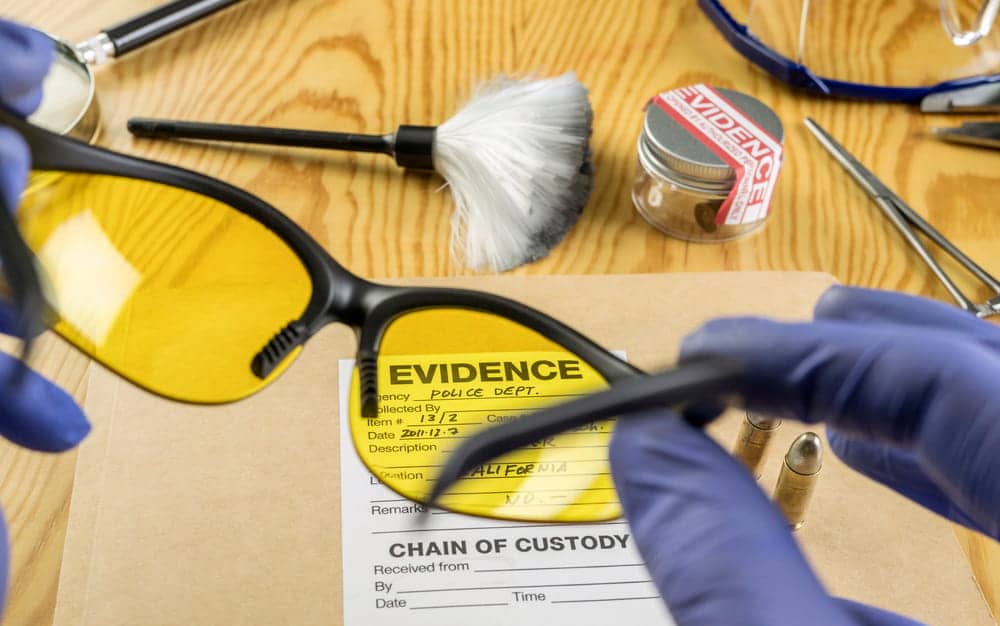
Evidence in Drug Possession Cases
Evidence Used by the Prosecution
Prosecutors rely on physical evidence to support drug possession charges in court. In Tennessee, this evidence is used to connect the substance to the individual and explain how the situation developed during the investigation.
Common types of evidence may include:
- The substance itself, along with packaging or related items found nearby
- Laboratory testing results confirming the identity of the substance
- Officer reports and incident documentation describing the stop and actions taken
- Body camera or dashcam footage capturing the encounter
Together, these materials help establish the sequence of events and how the evidence was obtained. Laboratory testing plays a key role in confirming whether the material meets legal definitions under state law. Without proper confirmation, the case may lack a necessary foundation.
Officer reports and related documentation provide context for how the encounter unfolded. These records often shape how the case is presented in court.
Video footage and statements made during the arrest may also be reviewed. These details may be used to suggest knowledge or control over the substance. Together, these elements form the core of how the case is evaluated.
Legal Issues That May Affect Evidence
Evidence may be challenged when it is obtained through an unlawful stop or search. Courts examine whether proper legal standards were followed during the encounter. If those standards are not met, key evidence may be called into question.
Issues may also arise around probable cause, consent, or the validity of a warrant. Each of these factors affects whether the search was legally justified at the time. When questions exist, the reliability of the evidence may be reduced.
In shared-space situations, proving possession can become more complex. Weak proof may arise when multiple individuals have access to the same location. Establishing control and knowledge becomes more difficult under these circumstances.
Chain of custody and laboratory handling must be maintained carefully throughout the process. Errors in handling or documentation can affect how reliable the evidence appears. Inconsistencies in reports or procedures may weaken the case.
Drug Possession Penalties in Tennessee
Penalties for Simple Possession
Under Tennessee law, simple possession is generally a Class A misdemeanor. This classification applies when the substance is intended for personal use without distribution factors. It sets the baseline for how penalties are applied.
Criminal penalties for simple possession may include:
- Up to 11 months and 29 days in jail
- Fines up to $2,500
These consequences can quickly affect daily life, depending on the circumstances involved.
In certain cases, stricter requirements may apply. For example:
- Methamphetamine-related possession means a mandatory minimum of 30 days in confinement
This requirement reflects the stricter way the law treats certain substances. Courts often apply this condition once the charge is established.
Additional consequences may include probation, court costs, and a criminal record. These outcomes can affect employment, housing, and future opportunities. Even a misdemeanor conviction may have lasting effects.
Penalties for Felony Drug Possession Charges
Drug possession with intent may be charged as a felony. This classification depends on factors such as quantity, substance type, and surrounding circumstances. Felony charges carry more serious consequences compared to simple possession.
Sentencing ranges by felony classification may include:
- Class E felony: 1 to 6 years in prison
- Class D felony: 2 to 12 years in prison
- Class C felony: 3 to 15 years in prison
- Class B felony: 8 to 30 years in prison
- Class A felony: 15 to 60 years in prison
These ranges reflect increasing levels of severity depending on the facts of the case. Higher classifications often involve larger quantities, more serious substances, or additional aggravating factors.
Fines may also be substantial depending on the substance and amount involved. Prior convictions can increase sentencing exposure and limit available options. These factors play a central role in shaping the overall outcome of the case.

How Drug Possession Cases Move Through Anderson County Courts
Where Drug Possession Cases Are Handled
Drug possession cases in Anderson County are handled based on the severity of the charge. Misdemeanor cases are typically addressed in the General Sessions Court. This court manages early proceedings within the county.
Felony cases may begin in the Sessions Court before being transferred to the Criminal Court for further proceedings. This transition reflects both the seriousness of the charge and the need for additional review. The process often involves more stages as the case progresses.
Judges, prosecutors, and defense attorneys each have defined roles throughout the case. Their roles influence how decisions are made and how the case develops over time. Each role contributes to the structure of the proceedings.
Court assignment depends on how the charge is classified under state law. Anderson County courts manage these cases locally from start to finish. This structure determines how the case moves forward.
Key Stages in the Court Process
The process begins with an arraignment, where charges are formally presented, and a plea is entered. In Tennessee, this step establishes the direction of the case and frames how the next stages will unfold. Early responses often influence the options available moving forward.
Key stages in the legal process may include:
- Arraignment: Formal charges are presented, and a plea is entered
- Discovery: Both sides review evidence to identify strengths and weaknesses
- Pre-trial motions: Challenges to evidence collection or procedural issues
- Negotiation or trial: Resolution through agreement or full court proceedings
Discovery allows each side to examine reports, test results, and related materials in detail. This stage helps prepare for motions or negotiation strategies.
Pre-trial motions may address how evidence was collected and whether proper procedures were followed. These filings require clear legal reasoning and careful timing, as their outcome can affect what evidence is allowed in court.
Negotiations may resolve the case through a plea agreement when the facts support that approach. If no agreement is reached, the case proceeds to trial, where both sides present their arguments. Each stage builds on the one before it, making preparation critical.
How a Drug Possession Lawyer Builds a Defense
Defense Strategies Based on Case Facts
Defense strategies are shaped by the specific facts of the arrest and the evidence available. In Tennessee, the approach often focuses on how the evidence was obtained and whether it meets required legal standards.
Common defense approaches may include:
- Challenging search and seizure procedures when legal standards were not followed
- Disputing possession when control or knowledge cannot be clearly established
- Reviewing laboratory testing and evidence handling for possible errors
- Examining police reports for inconsistencies or gaps
These issues often arise in shared spaces where multiple individuals have access. Without clear proof, the connection between the person and the substance may be questioned.
Laboratory testing and evidence handling are also reviewed during case preparation. Errors in testing or documentation may affect how reliable the results appear in court. Such details can influence how the case is evaluated.
Legal Guidance Through the Case
Legal guidance helps individuals understand their options as the case progresses. A lawyer explains possible outcomes based on the charges and the evidence involved. This clarity helps support informed decisions at each stage.
Preparation for hearings and court appearances is an important part of the process. Each appearance requires attention to timing, procedure, and presentation. Proper preparation helps reduce mistakes that may affect the outcome.
Communication with prosecutors may influence how the case is resolved. Discussions may lead to reduced charges or alternative outcomes when supported by the facts. These discussions must be handled carefully, as they can directly affect the final result.
Guidance is also provided when making decisions about plea agreements or trial preparation. Representation helps protect rights and ensure deadlines are met. This support helps individuals manage the process with greater confidence.

Frequently Asked Questions About Drug Possession in Clinton
Can I Be Charged if Drugs Were Found in a Shared Space?
Yes, charges may still apply when drugs are found in a shared space. The state must show knowledge and control, not just presence. Disputes often arise when multiple people have access to the same area.
What Is the Difference Between Possession and Intent To Distribute?
Possession usually involves drugs held for personal use without signs of distribution. Intent to distribute is based on factors such as quantity, packaging, or related evidence. This difference affects whether the charge is treated as a misdemeanor or a felony.
Will I Go to Jail for a First Drug Possession Charge?
Jail is possible even for a first drug possession charge under Tennessee law. Outcomes depend on the substance, circumstances, and prior history. Courts may also impose fines, probation, or other conditions.
What Happens After a Drug Possession Arrest in Clinton?
After an arrest, individuals are booked and processed through the local system. A court date is usually scheduled soon after release, which begins the formal legal process. Because these steps move quickly, early attention helps prevent missed deadlines.
Can the Police Search Me Without a Warrant?
Police may search without a warrant in certain situations recognized under the law. These include consent, probable cause, or specific exceptions during an arrest. Each situation depends on how the search was conducted.
What Evidence Is Used To Prove Possession?
Evidence may include the substance itself, along with packaging or related items. Officer observations and reports are often used to support the case. Laboratory testing is also used to confirm the identity of the substance.
Can Weak Evidence Lead to Dismissal?
Weak or unreliable evidence may create grounds for dismissal in some cases. Issues with search procedures or handling of evidence can affect reliability. Each case depends on how those weaknesses are identified and presented.
When Should I Contact a Lawyer After an Arrest
It is important to contact a lawyer as soon as possible after an arrest. Early guidance helps protect rights and address time-sensitive steps. Acting quickly may also influence how the case develops.
Contact a Drug Possession Lawyer in Clinton
Drug possession charges demand prompt attention, as early stages often move faster than expected. Delays can impact preservation of material, preparation of defenses, and the range of available responses. Acting without hesitation helps maintain greater control over how the case progresses.
These situations frequently raise concerns about potential penalties, custody exposure, and overall duration. A drug possession lawyer in Clinton can address these issues and provide guidance through each phase. Our firm assists individuals in Anderson County by offering clarity, structure, and a steady approach during challenging circumstances.
Christmas Law Group assists individuals throughout Anderson County with focused, dependable representation in drug possession matters. We work to ensure a clear understanding of the allegations while safeguarding your interests at every stage. If you are dealing with a drug possession charge in Clinton, contact us today or call (865) 378-7779 to begin a timely review before approaching deadlines that restrict available paths.