Not every drug charge in Clinton is as straightforward as it first appears, which is where a drug crimes lawyer in Clinton begins to examine how the situation is being defined. Drug-related arrests are evaluated based on the type of substance, the quantity involved, and whether the facts suggest possession, distribution, or another level of offense. The case often turns on how those details are classified rather than on the initial reason for the stop or search.
Even first-time offenses can carry lasting consequences that extend beyond the immediate charge, affecting how the case is prosecuted and how prior records, intent, and surrounding circumstances are considered. As a result, the legal impact may increase based on how the situation is categorized from the outset.
After an arrest, the case begins to take shape through evidence review, charging decisions, and procedural timelines. Law enforcement and prosecutors rely on seized materials, reports, and statements to define the scope of the offense. The way this information is structured early can shape the arguments presented and the options that remain available.
As the case progresses, focus shifts to whether the charge is properly supported and how the evidence aligns with its legal classification. Small differences in quantity, context, or intent can influence how the situation ultimately unfolds. Addressing these issues early helps maintain flexibility in how the defense is structured.
Our firm serves clients in Clinton and Anderson County with steady and practical legal support across a range of criminal defense cases. We also represent clients facing drug crimes in Knoxville when arrests, investigations, or court proceedings involve nearby areas. We focus on examining how the charge was formed, identifying areas that require closer review, and guiding each step with clarity.

Drug Possession and Distribution Charges Under Tennessee Law
Simple Possession and Casual Exchange
Under Tennessee law, simple possession and casual exchange are treated as lower-level offenses. These charges usually involve having a controlled substance for personal use without clear signs of distribution. Because the focus remains on drug possession rather than sale, most cases fall under misdemeanor classification.
Simple possession is commonly charged as a Class A misdemeanor under Tennessee law. Penalties may include up to 11 months and 29 days in jail, along with fines of up to $2,500. Even at this level, the outcome can affect employment, housing, and future opportunities.
Certain substances carry stricter consequences even within these charges. Methamphetamine possession includes a mandatory minimum confinement period of 30 days, which reflects how the law treats it differently. This requirement shows that not all possession cases are handled in the same way.
Although these charges appear less severe, they still move forward quickly after an arrest. Early decisions often shape how the case develops and what options remain available. Because of this, careful attention at the beginning becomes important for protecting long-term interests.
Possession With Intent, Sale, and Manufacturing
More serious charges fall under Tenn. Code Ann. § 39-17-417, which addresses possession with intent, sale, delivery, manufacturing, and conduct often associated with drug trafficking. These offenses are usually prosecuted as felonies due to the risks associated with drug distribution. As a result, the potential penalties increase significantly compared to simple possession cases.
Prosecutors often rely on more than the substance itself when building these cases. Factors used to suggest intent may include:
- Quantity of the substance
- Packaging materials
- Cash, scales, or related items
- Messages, calls, or other communications
Because of this approach, classification often depends more on the surrounding facts than on the substance alone. Small details may influence how the case is interpreted and presented in court. This makes early review important for understanding how the evidence may be used.
Factors That Increase the Severity of Drug Charges
Quantity, Substance Type, and Prior Record
The severity of a drug charge often increases when the quantity suggests more than personal use. Larger amounts may lead prosecutors to argue that the substance was intended for drug distribution. This shift can move a case from a misdemeanor to a felony with greater penalties.
The type of substance also plays a key role in how charges are classified under Tennessee law. Some substances carry stricter consequences due to their classification and perceived risk. As a result, two cases with similar facts may lead to different outcomes based on the substance involved.
Prior criminal history may further influence how a case is handled from the beginning. Repeat offenses often lead to enhanced charges or less flexibility during negotiations. This pattern reflects how courts consider past conduct when determining potential consequences.
Because these factors often overlap, their combined effect can quickly increase the seriousness of a case. What begins as a lower-level charge may become more complex when these elements are present. Early evaluation helps clarify how each factor may influence the direction of the case.
Evidence and Circumstances That Raise Exposure
The type of evidence found during an investigation can significantly increase the severity of a drug charge. In Tennessee, surrounding circumstances often play a key role in how the charge is classified.
Factors that may increase the seriousness of a drug charge include:
- Packaging materials or scales that suggest distribution activity
- Large amounts of cash that may indicate transactions
- Evidence pointing to repeated or coordinated conduct
These details are often used to support claims of distribution or intent rather than personal use.
In some situations, constructive possession may apply even without direct ownership of the substance. This concept allows charges when a person is believed to have control over the area where drugs are found. Because of this, individuals may face charges based on access rather than actual possession.
Cases involving multiple individuals often introduce additional complications that increase exposure. Shared spaces, joint activity, or conflicting statements may affect how responsibility is assigned. These factors can make it more difficult to separate individual roles within the case.
Evidence in Drug Crime Cases and How It May Be Challenged
Evidence Commonly Used by Prosecutors
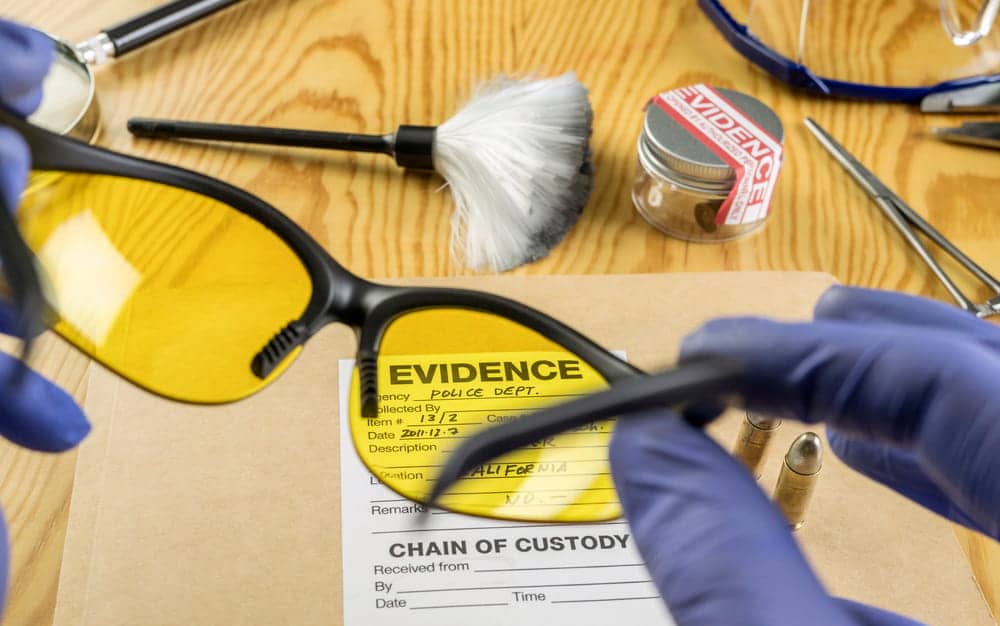
Prosecutors rely on several forms of evidence to support drug-related charges in Tennessee courts. Seized substances must be properly documented and preserved from the moment they are collected. This process helps establish that the material presented in court matches what was originally taken.
Common types of evidence may include:
- Seized substances that are documented and preserved through proper procedures
- Laboratory testing results confirming the identity and classification of the substance
- Police reports, warrants, and stop documentation explaining how evidence was obtained
- Additional materials such as phones, cash, packaging, or surveillance footage
Laboratory testing plays a central role in confirming whether the substance meets legal definitions under state law. Without proper testing, it becomes difficult to prove what the material actually is.
Police reports and related documentation help explain the sequence of events during the investigation. These records often form the foundation for how the case is presented in court.
Legal Challenges to Evidence
The strength of a case often depends on whether the evidence was obtained lawfully. Unlawful searches or a lack of probable cause may raise serious questions about admissibility. When these issues appear, they can affect how much evidence is allowed in court.
Motions to suppress may be filed when there are concerns that legal rights were violated during the investigation. These motions ask the court to exclude certain evidence from being considered. If successful, they can significantly change the direction of the case.
Chain-of-custody errors may also affect the reliability of the evidence presented. Each step in handling the material must be properly recorded and maintained without gaps. Any inconsistency may raise doubts about whether the evidence remained unchanged.
Laboratory procedures are often reviewed to ensure accuracy and compliance with required standards. Testing methods, documentation, and handling practices may all be examined during this review. Careful evaluation of these factors helps determine whether the results can be trusted.
Criminal Penalties for Drug Offenses in Tennessee
Penalties for Simple Possession
In Tennessee, simple possession is usually charged as a Class A misdemeanor. These cases generally involve controlled substances held for personal use without clear evidence of distribution. Even at this level, the law imposes penalties that can affect daily life.
Criminal penalties for simple possession may include:
- Up to 11 months and 29 days in jail
- Fines up to $2,500
These penalties may vary depending on the circumstances of the case and can create financial and personal strain.
Certain substances carry stricter requirements within simple possession charges. For example:
- Methamphetamine possession:
- Mandatory minimum of 30 days in confinement
This requirement reflects how the law treats certain substances more severely.
Although these charges are classified as misdemeanors, they may still carry lasting consequences. A conviction becomes part of a criminal record that may appear during background checks. Because of this, even a first offense may have long-term effects on employment, housing, and daily responsibilities.
Penalties for Felony Drug Charges
More serious offenses fall under Tenn. Code Ann. § 39-17-417 and are prosecuted as felonies. These charges often involve intent, distribution, or drug manufacturing rather than personal use. As a result, the penalties are significantly higher than in misdemeanor cases.
Sentencing ranges under Tennessee law vary by felony classification and may include:
- Class E felony: 1 to 6 years in prison
- Class D felony: 2 to 12 years in prison
- Class C felony: 3 to 15 years in prison
- Class B felony: 8 to 30 years in prison
- Class A felony: 15 to 60 years in prison
These ranges show how penalties increase as the classification becomes more severe. Higher-level charges often involve larger quantities, more serious conduct, or additional aggravating factors.
The final outcome depends on factors such as substance type, quantity, and the specific facts of the case. Beyond incarceration, long-term consequences may include a permanent criminal record and limitations on employment or housing. These effects can continue long after the case is resolved.

Legal Outcomes and Defense Strategies in Drug Crime Cases
Possible Outcomes in Drug Cases
Drug cases may lead to different outcomes depending on how the evidence is reviewed and presented. Some cases are dismissed when the evidence is insufficient or obtained through unlawful methods. When this occurs, the case may not proceed further in court.
In other situations, charges may be reduced based on the specific facts and available evidence. This often depends on how clearly the prosecution can support the allegations. Reduced charges may lead to less severe penalties and different long-term effects.
Diversion programs may be available in certain cases, although eligibility depends on several factors. These programs focus on supervision and compliance rather than immediate conviction. When available, they may offer a structured path that avoids a permanent record.
Plea negotiations often depend on the strength of the evidence and the individual’s prior record. Agreements may provide a more predictable outcome compared to trial proceedings. However, the decision to accept a plea requires careful consideration of the risks involved.
When allegations are contested, the case may proceed to trial for a full review of the facts. Each side presents evidence, questions witnesses, and challenges key points before the court. This process allows the case to be decided based on how clearly the arguments are supported.
Defense Strategies That May Be Used
Defense strategies in drug cases depend on the details surrounding the arrest and investigation. In Tennessee, the approach often focuses on how the evidence aligns with the required legal elements of the charge.
Common defense approaches may include:
- Challenging whether possession or control of the substance can be proven
- Disputing intent to distribute versus personal use
- Seeking to suppress evidence obtained through an unlawful search or arrest
- Identifying procedural or constitutional issues affecting the case
These strategies depend on how the surrounding evidence is interpreted. Small details may influence whether a charge is treated as a misdemeanor or a felony.
In some cases, suppression of evidence becomes a central issue. If rights were violated during the search or arrest, certain evidence may be excluded from court. This can significantly affect how the case is evaluated.
Procedural or constitutional concerns may also arise from errors in documentation, evidence handling, or legal processes. These issues can raise questions about reliability and may influence how the case develops.
Drug Crime Court Process in Anderson County and Legal Guidance
How Drug Cases Move Through the Court System
Drug cases in Clinton typically begin in Anderson County General Sessions Court after an arrest. This court handles initial appearances, bond conditions, and early proceedings that set the case in motion. These first steps often shape how the matter develops in the following stages.
If the charge involves a felony, the case may proceed to Criminal Court for further review. This transition usually occurs after preliminary hearings or other required procedures are completed. At that point, the case enters a more formal process with higher stakes and greater complexity.
Initial hearings focus on setting conditions and addressing early legal issues. Decisions made during this stage may affect evidence review and available options later. Because of this, early preparation plays an important role in guiding the direction of the case.
As the case moves forward, each stage builds on the last and requires careful attention. Missed steps or delays may limit opportunities to challenge evidence or negotiate outcomes. This progression highlights the importance of understanding how the system operates from the beginning.
Importance of Legal Representation at Each Stage
Felony cases may involve additional proceedings such as preliminary hearings or grand jury review. In Tennessee, these steps are used to determine whether sufficient evidence exists to move the case forward. The outcome of these stages can significantly affect how the case continues.
Key stages in felony proceedings may include:
- Preliminary hearings or grand jury review: Evaluation of whether probable cause supports the charge
- Pretrial motions: Challenges to evidence, procedures, or legal issues
- Negotiations: Discussions aimed at resolving the case based on available evidence
- Trial: Formal presentation and examination of evidence when no resolution is reached
As the process develops, these stages become central. Pretrial motions and negotiations often shape how evidence is used and how the case is ultimately resolved.
Throughout each stage, deadlines and filings must be handled with precision and care. Missing required steps can create setbacks that affect the overall outcome. Careful management of these responsibilities helps keep the case on track.

Frequently Asked Questions About Drug Charges in Clinton
Can I Be Charged if Drugs Were Not Found on Me?
Yes, charges may still apply under a concept known as constructive possession. This means control over the area may be enough to establish legal responsibility, depending on the facts and how that control is interpreted.
What Makes Possession Turn Into a Felony Charge?
Possession may become a felony when facts suggest intent to distribute rather than personal use. Quantity, packaging, or related items may influence how the charge is classified. These details often determine how the case is prosecuted.
Will I Go to Jail for a First Drug Offense?
Jail time is possible even for a first offense, depending on the charge and circumstances. Some cases may involve alternatives, but outcomes vary based on facts and prior history. Early evaluation helps clarify what to expect.
What Happens After a Drug Arrest in Clinton?
After an arrest, the case typically begins with booking and an initial court appearance. Bond conditions, hearings, and evidence review follow shortly after. These early steps often influence how the case develops.
Can the Police Search My Car Without a Warrant?
Police may search a vehicle without a warrant under certain legal exceptions. These may include consent, probable cause, or specific circumstances recognized by law. Each search must still meet legal standards to remain valid.
What Evidence Is Used To Prove Drug Charges?
Common evidence includes seized substances, lab results, and police reports describing the investigation. Additional materials, such as phones or packaging, may also be presented. These elements are often used together to support the charge.
Can Drug Charges Be Reduced or Dismissed?
Charges may be reduced or dismissed when the evidence is weak or improperly obtained. Outcomes often depend on how the case is reviewed and presented. Careful evaluation helps identify possible options.
When Should I Contact a Lawyer After an Arrest?
It is best to contact a lawyer as soon as possible after an arrest. Early guidance helps manage deadlines and review evidence before decisions are made. Taking action quickly supports better preparation and clearer direction.
Speak With a Drug Crimes Lawyer in Clinton
Drug charges in Clinton can quickly affect your freedom, record, employment, finances, and future opportunities. Early legal review can help examine the search, seized materials, statements, lab testing, and the facts prosecutors may use to support the charge.
Christmas Law Group supports individuals throughout Clinton and Anderson County with focused legal guidance in drug crime cases. For clear direction after a drug charge in Clinton, contact us or call (865) 378-7779 to review the evidence, address immediate concerns, and prepare for the next stage of the case.