What separates manufacturing from other drug-related charges is often less obvious than it first appears, which is why a drug manufacturing lawyer in Clinton looks closely at how each detail is presented. Drug manufacturing charges in Clinton depend on whether the evidence reflects an active process of producing or attempting to produce controlled substances. The analysis often centers on how materials, equipment, and surrounding activity are interpreted under that standard, sometimes carrying more weight than direct proof of completed production.
In drug crimes, how conduct is classified often determines both the charge and the potential penalties. This is where criminal defense becomes especially important. Prosecutors may rely on precursor chemicals, equipment, and environmental indicators to argue that manufacturing activity occurred. As a result, charges may proceed based on indirect indicators, even when no active production process is directly observed.
Under Tennessee law, drug manufacturing charges are often treated as Class B felonies, particularly in higher-risk cases such as methamphetamine production. A conviction may result in a prison sentence ranging from 8 to 30 years, along with significant financial penalties that vary based on the classification of the offense. The severity of these consequences reflects how the law addresses the risks associated with producing controlled substances.
As the case moves forward, the focus shifts to whether the available evidence supports a manufacturing claim under the statute. Physical items, location details, and reported activity are used to establish or challenge that claim. Differences in how these factors are interpreted can influence how the case is handled.
Our firm serves clients in Clinton and throughout Anderson County with steady and practical legal support. We focus on analyzing how the charge was formed, identifying weaknesses in the evidence, and guiding each step with clarity. Early legal involvement helps create a stronger position to address complex manufacturing allegations and manage long-term risk.
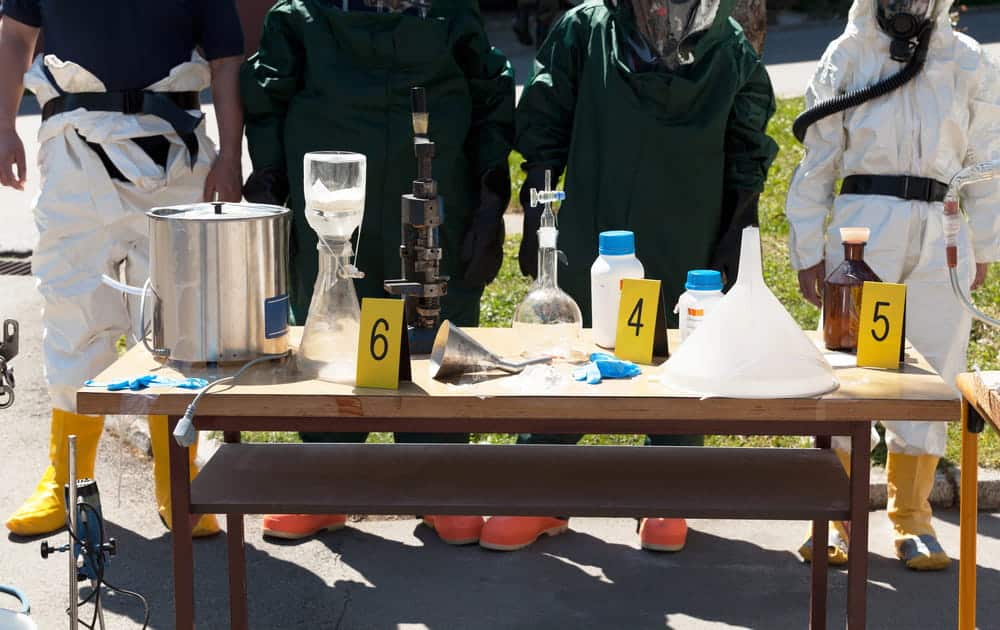
Actions That Lead to Drug Manufacturing Charges in Tennessee
Conduct That Can Result in Manufacturing Charges
Drug manufacturing charges in Tennessee focus on actions that go beyond simple possession and involve producing controlled substances. Under Tennessee Code Annotated § 39-17-417, manufacturing includes producing, preparing, or processing drugs, even when the process is incomplete. This means that even partial activity may still lead to serious felony allegations.
In many cases, possession of precursor chemicals combined with certain actions can suggest intent to manufacture drugs. Items such as equipment, ingredients, or materials are evaluated alongside behavior and surrounding circumstances. Because of this, the charge often depends on how these elements connect rather than on one isolated factor.
Charges may also arise when individuals operate or assist in drug production setups in homes, vehicles, or shared spaces. In these situations, involvement may be based on access, control, or participation rather than ownership of the materials. This approach allows charges even when direct ownership is not clearly established.
Some cases arise when a person is present at a location where manufacturing activity is taking place. Investigators may look at patterns of movement, communication, or repeated access to certain areas. These details can shape how involvement is interpreted during the investigation.
What Prosecutors Must Prove in These Cases
To move forward with a case, prosecutors must establish key elements that connect the accused to the alleged manufacturing activity. In Tennessee, these cases often depend on more than the presence of substances, chemicals, or equipment.
Key elements may include:
- Knowledge of the alleged manufacturing activity
- Control or access to substances, chemicals, or equipment
- Intent to manufacture, supported by conduct, materials, and context
These issues become especially important in shared spaces where multiple people may have access to the same area. Without a clear link between the accused and the alleged activity, the case may face challenges during legal review.
Courts often examine how the surrounding facts align to determine whether the activity reflects preparation or actual production. This review can affect how the charge is evaluated and how the defense responds.
Under Tennessee law, certain manufacturing-related charges are treated as Class B felonies. Penalties may include:
- 8 to 30 years in prison
- Fines up to $25,000
Because of this exposure, each element must be clearly supported by evidence before a conviction can be sustained. Careful evaluation of these requirements often shapes how the defense approaches the case.
What Happens After a Drug Manufacturing Arrest and Early Mistakes To Avoid
Arrest, Search, and Evidence Seizure
After a drug manufacturing arrest, law enforcement often executes search warrants at locations suspected of drug activity. In Tennessee, these searches may target homes, vehicles, or shared spaces where officers believe production has occurred. The process usually begins before the arrest, based on prior investigation and gathered evidence.
After a manufacturing arrest, the process often includes:
- Execution of search warrants at relevant locations
- Seizure of chemicals, lab equipment, and controlled substances
- Documentation and preservation of evidence for court use
- Arrest, booking, and initial processing procedures
During the search, officers collect and document items they believe are linked to the manufacturing process. The scope of the seizure often reflects how investigators interpret the purpose of the materials at the scene.
Once the search is completed, an arrest may follow, along with standard booking procedures. Bond conditions may be set at this stage, sometimes restricting travel, communication, or access to certain locations. These restrictions can affect daily routines and require careful attention from the beginning.
Decisions That Can Increase Legal Risk
After release, certain decisions may increase legal risk and make the situation harder to manage. Speaking with law enforcement without legal counsel may lead to statements that are later used in court. These statements can shape how the case is presented and interpreted.
Allowing additional searches without fully understanding legal rights may also create complications. Consent given during uncertain moments can expand the scope of the investigation. This may result in more evidence being collected than initially expected.
Discussing the case publicly or with others can introduce often-overlooked risks. Conversations may be shared, misinterpreted, or used in ways that affect the case. Maintaining discretion helps reduce the chance of unintended consequences.
Missing court dates or violating release conditions may lead to further penalties or restrictions. These issues can affect how the court views the case and may limit available options. Early action remains important when facing potential penalties, including 8 to 30 years’ imprisonment.
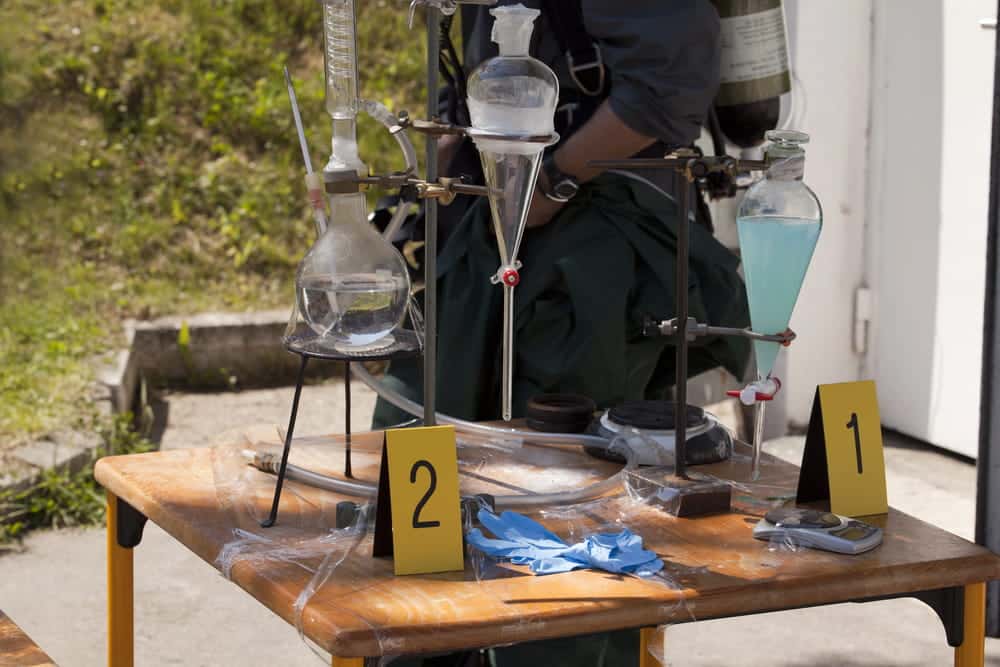
How Drug Manufacturing Cases Are Built and Challenged
Evidence Used in Manufacturing Allegations
Drug manufacturing cases are built on evidence that investigators believe links a person to the production process. In Tennessee, this evidence is used to suggest that manufacturing activity may have occurred and to support the case’s presentation in court.
Common types of evidence in manufacturing cases may include:
- Chemicals, lab equipment, and substances recovered during a search
- Laboratory testing results confirming the identity of controlled substances
- Physical evidence, such as fingerprints or DNA, linking individuals to materials
- Surveillance records, police reports, and investigative documentation
The presence of these materials is often used to suggest involvement in production activity. Laboratory testing plays an important role in confirming whether seized substances meet legal definitions under state law.
Physical evidence, such as fingerprints or DNA, may be introduced to establish contact with items or locations associated with the alleged activity. These details can help establish a closer link between an individual and the scene.
Surveillance records and investigative reports may also be used to outline timelines, observations, or patterns. When combined, these elements present a structured narrative that supports the charge.
Weaknesses That Can Be Challenged in Court
Despite the volume of evidence, certain weaknesses may affect how the case holds up in court. One common issue involves the lack of direct involvement in manufacturing activity. Being present at a location does not always prove participation in the process.
Shared property situations can also create uncertainty when multiple individuals have access to the same space. In these cases, establishing control over specific items becomes more complex. This may weaken the link between the accused and the alleged activity.
Improper search procedures may affect whether evidence is allowed in court. If legal standards are not followed during the search, key evidence may be challenged or excluded. This issue often becomes central when reviewing how the investigation was conducted.
Chain-of-custody problems may also raise questions about how evidence was handled after seizure. Gaps in documentation or unclear handling can affect reliability. Legal strategies may include suppressing unlawfully obtained evidence and challenging the claim that intent has been clearly established.
Sentencing Exposure for Drug Manufacturing Convictions
Prison Sentences Based on Felony Level
Drug manufacturing convictions in Tennessee carry sentencing ranges that depend on the felony classification and case details. These classifications are tied to the type of substance, the level of activity, and the surrounding circumstances. As a result, sentencing exposure can vary widely even within similar cases.
Sentencing ranges by felony classification may include:
- Class B felony:
- 8 to 30 years in prison
- Class C felony:
- 3 to 15 years in prison
- Class D felony:
- 2 to 12 years in prison
- Class E felony:
- 1 to 6 years in prison
A Class B felony is often applied in methamphetamine-related cases, reflecting how seriously the state treats manufacturing activity involving higher-risk substances. Courts may consider prior history and specific facts when determining where within that range a sentence may fall.
Lower classifications may apply in situations involving different substances or reduced levels of involvement. Even at these levels, the consequences remain significant and may affect long-term stability.
Financial and Long-Term Consequences
Beyond incarceration, financial penalties can add significant pressure after a drug manufacturing conviction. Fines may reach up to $100,000 in higher-level cases, while lower classifications may carry reduced financial penalties depending on the specific charge. These costs often combine with court fees and other required payments.
Asset forfeiture may also apply when property is believed to be connected to the alleged activity. This can include vehicles, money, or other assets that investigators link to the case. The loss of these resources can affect stability and make recovery more difficult after the case ends.
A conviction results in a permanent felony record that may affect employment and housing opportunities over time. Background checks often reveal these records, which can influence hiring decisions or rental approvals. This impact may continue long after the sentence has been completed.
Long-term supervision, such as probation or parole, may follow a prison sentence or serve as part of the penalty. These conditions often include restrictions and ongoing monitoring that affect daily life. Managing these requirements becomes part of the long-term consequences of the conviction.

Legal Paths Available in Drug Manufacturing Cases
Possible Case Resolutions
Drug manufacturing cases can move in several directions depending on how the evidence is evaluated and presented. In Tennessee, the strength of the evidence often determines which path the case may follow.
Possible outcomes in these cases may include:
- Charge reduction: When the evidence does not fully support manufacturing allegations
- Dismissal: When key evidence is excluded due to legal violations during the investigation or search
- Plea agreements: Structured resolutions that may reduce penalties based on the circumstances
These outcomes depend on how clearly each legal element is supported. If key evidence cannot be used, the case may lose the support needed to proceed. Plea negotiations often reflect a balance between risk, evidence strength, and potential penalties. These discussions may provide a more predictable resolution compared to a trial.
Factors That Influence Case Outcomes
Several factors influence how a drug manufacturing case is resolved and what options remain available. The strength of the evidence linking the accused to the alleged activity often plays a central role. Weak or unclear connections may affect how the case is evaluated.
Intent must also be established beyond simple presence or possession of materials. Courts often examine conduct, context, and surrounding evidence to determine whether manufacturing was intended. This distinction can shape how the charge is classified.
A prior record may affect sentencing exposure, especially in cases involving higher felony levels. Courts consider past convictions when deciding how penalties should be applied. This factor can influence both negotiations and final outcomes.
The timing of legal action also plays an important role in shaping the direction of the case. Early decisions can affect how evidence is challenged and how defense strategies are developed. Acting promptly helps preserve options that may not remain available later.
How Drug Manufacturing Cases Progress Through Anderson County Courts
Where and How Cases Are Handled
Drug manufacturing cases in Clinton typically begin in the Anderson County General Sessions Court, where initial proceedings take place soon after an arrest. This stage includes early hearings that address charges, bond conditions, and basic case status. It sets the foundation for how the case will move forward through the system.
Because these charges involve felonies, cases are usually transferred to the Anderson County Criminal Court for further prosecution. This transition reflects the seriousness of the allegations and the potential penalties involved. The shift to a higher court also introduces more formal procedures and stricter timelines.
Prosecutors and judges play central roles in guiding the case once it reaches the criminal court level. Prosecutors present evidence and pursue the charges based on their evaluation of the case. Judges oversee proceedings, rule on legal issues, and ensure that each step follows required standards.
Key Stages in the Legal Process
After transfer, the process continues with arraignment, where formal charges are presented, and responses are entered. In Tennessee, this stage confirms the accusations and begins the structured progression of the case. It also establishes the framework for future hearings and legal arguments.
Key stages after transfer may include:
- Arraignment: Formal charges are presented, and initial responses are entered
- Pre-trial hearings: Review and challenge of evidence, procedures, and investigative methods
- Negotiation or trial: Resolution through agreement or full court proceedings
- Sentencing: Determination of penalties following a conviction
Pre-trial hearings often focus on which evidence may be admitted or challenged in court. These proceedings may address issues related to search procedures, evidence handling, and investigative methods. Decisions made at this stage can influence the direction and strength of the case.
As the case develops, it may move toward negotiation or proceed to trial depending on the facts involved. Negotiations may lead to agreements that resolve the case without a full trial. When disputes remain, a trial allows both sides to present and challenge evidence before the court.
If a conviction is entered, sentencing follows based on the offense classification and other relevant factors. Courts consider evidence, prior record, and case details when determining penalties. This final stage reflects the outcome of each step taken throughout the legal process.

Frequently Asked Questions
Can I Be Charged if I Was Just Present at a Drug Lab?
Being present alone does not always lead to charges, but context matters in each situation. Investigators often look at access, behavior, and surrounding evidence to assess involvement. Presence combined with other factors may still result in charges.
What Counts as Drug Manufacturing Under Tennessee Law?
Drug manufacturing includes producing, preparing, or processing controlled substances under Tennessee law. It may also involve possessing materials or equipment associated with production activities. Even incomplete steps may be treated as part of the offense.
Will I Be Arrested During a Search Warrant Raid?
Arrests may occur during a search warrant if officers believe sufficient evidence exists at the scene. In some cases, arrests happen later after evidence is reviewed and processed. The timing often depends on how the investigation develops.
What Evidence Is Used To Prove Manufacturing Charges?
Common evidence includes chemicals, lab equipment, and substances recovered during a search. Investigators may also rely on test results, reports, and documented observations. These elements are used together to support the allegation.
Can Shared Property Lead to Drug Manufacturing Charges?
Shared property can complicate cases when multiple individuals have access to the same location. Investigators may examine control, use, and involvement rather than ownership alone. This approach can still lead to charges in certain situations.
What Mistakes Can Hurt My Case After Arrest?
Speaking without legal guidance or allowing further searches without understanding rights may increase risk. Discussing the case with others can also create unintended problems. Missing court dates or conditions may lead to additional consequences.
Will I Go to Prison for a Manufacturing Charge?
Prison is a possibility depending on the felony level and the facts of the case. Sentencing ranges vary, with higher-level charges carrying significant time. Outcomes depend on evidence, prior record, and how the case is handled.
When Should I Contact a Lawyer After an Arrest?
Contacting a lawyer as soon as possible after arrest helps protect important legal rights. Early guidance enables better decisions at a critical stage. Delays may limit options and affect the direction of the case.
Contact a Drug Manufacturing Lawyer
Drug manufacturing charges carry serious felony exposure and lasting consequences that may affect multiple aspects of life. Delays following an arrest can narrow defensive avenues and heighten risk as deadlines approach. A drug manufacturing lawyer in Clinton can assess available materials, question investigative methods, and direct early decisions that shape the direction.
These matters often involve the examination of chemical substances, equipment, and the circumstances surrounding the alleged activity. How such elements are analyzed and organized can affect how the situation is interpreted as proceedings continue. A structured approach during this phase helps maintain control over how the case develops.
Christmas Law Group represents individuals in Clinton and Anderson Counties, providing focused, dependable assistance with drug manufacturing matters. We work to ensure a clear understanding of the circumstances while safeguarding important interests at every stage. If you are facing a drug manufacturing charge in Clinton, contact us today at (865) 378-7779 to discuss your situation before key deadlines affect your case.