A DUI charge can place a commercial driver’s license, income, and future employment at risk from the beginning. A CDL DUI lawyer helps drivers understand how one arrest may affect both the criminal case and their commercial driving privileges. For many CDL holders, early DUI defense matters because license consequences, employer concerns, and court deadlines can move at the same time.
Commercial drivers face stricter legal standards than most other motorists under Tennessee and federal regulations. A DUI allegation may affect both the criminal case and the commercial license separately. In criminal defense matters involving CDL holders, that distinction often raises additional concerns about employment and future driving eligibility.
These consequences may follow an arrest involving either a commercial vehicle or a personal vehicle. Even when the incident occurs off duty, CDL disqualification risks may still apply under certain circumstances. Because of this, many drivers face licensing concerns before the court process reaches a final outcome.
As the case develops, attention often turns toward testing procedures, officer observations, driving records, and license-related reporting requirements. While the allegation remains pending, employers, insurers, and licensing agencies may all review the driver’s status. That makes procedural details important because a testing issue, reporting problem, or unclear vehicle classification may affect both the criminal charge and the CDL consequences.
Our law firm assists commercial drivers facing DUI allegations throughout the legal process. We review the evidence, explain possible CDL consequences, and identify issues affecting both licensing and defense strategy. Early legal review helps drivers understand the evidence, protect important deadlines, and make informed decisions before the case affects more than the courtroom.
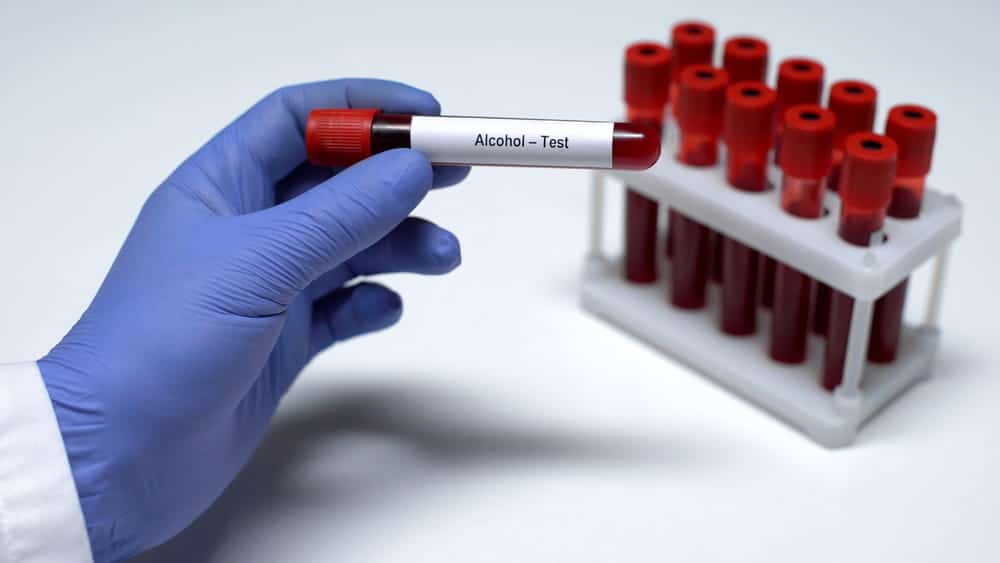
How is CDL DUI Different From a Regular DUI?
Lower BAC Limit for Commercial Vehicle Driving
Tennessee treats commercial vehicle driving differently when alcohol concentration is part of a case. The law applies stricter standards because commercial vehicles create greater safety concerns. This lower threshold can change how the charge is reviewed.
Tennessee applies a 0.04% standard for commercial motor vehicle operation. This standard applies when a person drives or controls a commercial motor vehicle. It does not automatically apply to every CDL holder in every vehicle.
That distinction matters because personal vehicle cases raise different legal and licensing questions. A DUI involving a personal vehicle may still affect commercial driving privileges. However, the lower alcohol standard is tied to commercial vehicle operation.
Impairment may also be alleged without relying only on a test number. Officers may consider alcohol, drugs, driving behavior, field tests, statements, or roadside observations. Each detail can affect how strongly the case moves forward.
Commercial License Risk Beyond Court Penalties
A regular DUI case may involve:
- jail time
- fines
- probation
- license revocation
- DUI school requirements
- ignition interlock conditions
These penalties can affect daily life, transportation, and personal responsibilities. For commercial drivers, the impact can reach much further.
A commercial driving case may also raise concerns involving:
- CDL disqualification
- job loss
- employer reporting requirements
- insurance-related problems
- future hiring difficulties
Insurance concerns may become especially serious because employers and carriers often review driver risk closely after a major driving allegation.
These added risks make the case different from a standard driving offense. The driver may need to protect both a criminal record and commercial driving eligibility. That means the response must consider work, licensing, and court consequences together.
A careful review can show whether the stop, testing, and evidence meet required standards. It can also identify problems that may affect licensing decisions. Early action helps drivers respond before a single case causes lasting career damage.
How Can a Personal Vehicle DUI Affect a CDL?
Off-Duty DUI Risk for CDL Holders
A driver does not need to be operating a truck or bus for CDL concerns to begin. An off-duty arrest in a personal vehicle can still create licensing problems. This often surprises drivers who separate personal driving from commercial work.
Federal rules treat certain impaired-driving convictions as major offenses for commercial drivers. Under 49 C.F.R. § 383.51, those convictions can trigger CDL disqualification. That risk may apply even when the vehicle was not used for commercial purposes.
This differs from Tennessee’s commercial vehicle alcohol rule. The 0.04% standard applies to commercial motor vehicle operation. CDL disqualification rules can still reach certain non-commercial vehicle convictions.
Many drivers misunderstand this issue because personal and commercial driving feel separate. In practice, one conviction can follow a driver into licensing and employment. That is why early review should include both criminal and CDL consequences.
Plea Decisions That Can Affect Commercial Driving
A plea decision should never be reviewed only through the criminal case. A conviction, reduction, dismissal, or negotiated result may carry different licensing consequences. Those consequences should be understood before any final decision is made.
Before resolving the case, a commercial driver should understand possible issues involving:
- CDL disqualification
- employer action
- insurance problems
- future hiring concerns
These consequences can affect work long after court penalties end.
That is why evidence review matters before any major decision is made. Testing, officer observations, reports, and legal procedures can all affect the charge. A stronger understanding of the evidence can shape the available options.
No result is guaranteed because every case depends on its facts. The vehicle type, prior record, and final outcome may all matter. Careful review helps the driver understand risk before choosing the next step.
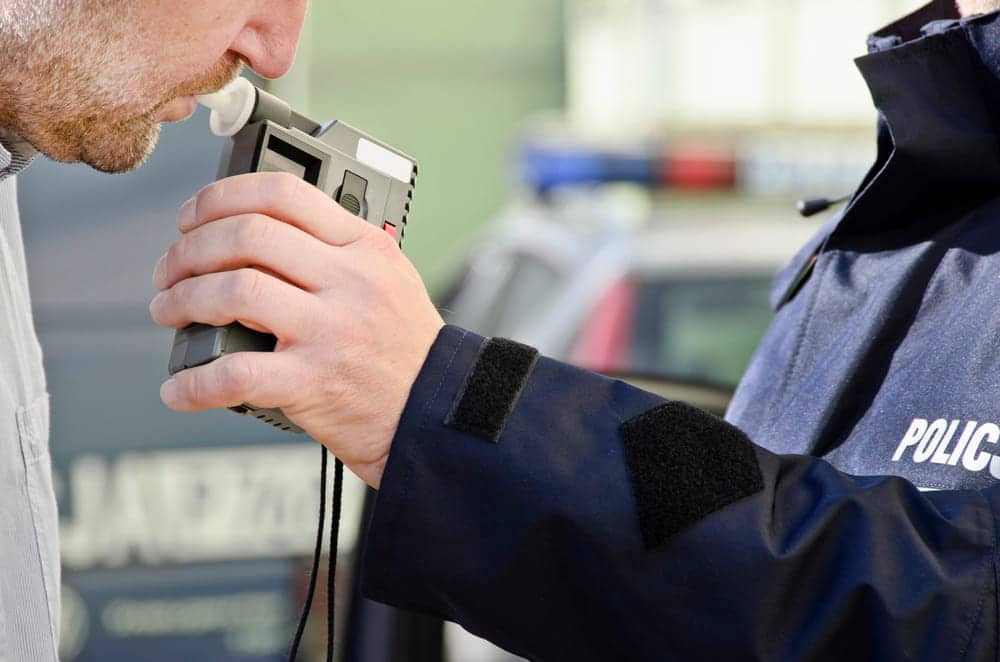
What Evidence Matters Most in a CDL DUI Case?
Breath, Blood, Video, and Officer Evidence
A CDL case may involve several sources of evidence, not just one test result. Prosecutors may rely on:
- breath test results
- blood test results
- toxicology reports
These records often shape the prosecution’s position and may also affect commercial licensing concerns.
Officer observations may also carry weight as the case moves forward. Reports may describe:
- speech patterns
- balance and coordination
- driving behavior
- roadside responses
- field sobriety testing
Those details often become important during evidence review.
Video can change how written details are understood. Dash camera and body camera footage may confirm, weaken, or contradict the report. This footage may show what happened more clearly than written notes alone.
Accident reports may matter when allegations involve:
- a crash
- injury
- property damage
- unsafe driving behavior
Commercial records may also explain:
- route details
- work status
- cargo information
- vehicle operation
Together, these records can help show whether the case was built on reliable facts.
Testing and Procedure Problems That May Matter
A careful defense review often begins with the stop itself. The lawyer may ask whether the officer had a lawful reason for contact. If the stop was weak, later evidence may face a challenge.
The next issue is whether enough facts supported the arrest. Suspicion alone does not always prove impairment. Reports, video, and test results must support the officer’s decision.
Breath testing can raise concerns involving calibration, maintenance, observation periods, and officer training. Blood testing may involve timing, collection, storage, lab handling, and chain of custody. These issues can affect how reliable the test appears.
Field sobriety tests also need close review because outside conditions can affect performance. Fatigue, injuries, medical issues, footwear, road surface, weather, and stress may matter. Inconsistencies between reports, video, and test records may become important.
What CDL Disqualification Penalties Can Follow a DUI?
One-Year and Three-Year Commercial Driving Disqualification
Commercial driving disqualification is separate from jail, fines, probation, or ordinary license punishment. It directly affects whether a driver may operate a commercial motor vehicle. As a result, the licensing risk often becomes the primary concern.
Under federal law, major alcohol-related CDL penalties may include:
- First major alcohol-related offense
- 1-year commercial driving disqualification
- Hazardous materials involvement
- The disqualification period may increase to 3 years
These penalties may apply alongside the criminal case. Work problems, employer concerns, and insurance issues can begin before the court case ends.
The loss of commercial driving privileges may affect:
- daily driving routes
- scheduled loads
- steady income
- continued employment assignments
Insurance concerns may also reduce current opportunities or future job placement.
For many drivers, a three-year loss of commercial driving eligibility can threaten long-term financial and career stability.
Lifetime Disqualification After Repeat Major Offenses
A second, separate major offense can result in lifetime disqualification from operating a commercial motor vehicle. This consequence differs from ordinary license suspension, jail time, probation, or fines. It can remove the driving privilege that supports a commercial career.
Court penalties may eventually end, but lifetime disqualification can reshape future work. It may limit trucking, delivery, bus driving, and other regulated driving jobs. That effect can continue long after the criminal case closes.
Refusal to submit to required alcohol testing can also be treated as a major offense. Federal CDL rules place refusal beside other serious violations. This makes the testing issue important before any resolution is accepted.
Prior record, vehicle type, refusal claims, hazardous materials, and final outcome all matter. Each factor can change how the licensing risk should be reviewed. CDL holders should understand those risks before resolving the criminal case.

What Tennessee DUI Penalties Can Apply to CDL Holders?
Jail Minimums, Fines, and License Penalties
Tennessee DUI penalties can apply alongside a separate CDL disqualification. Tennessee DUI sentencing may include:
- First DUI offense
- at least 48 consecutive hours in jail
- maximum sentence of 11 months and 29 days
- fines from $350 to $1,500
- Second DUI offense
- at least 45 consecutive days in jail
- maximum sentence of 11 months and 29 days
- fines from $600 to $3,500
These penalties matter because mandatory jail time can disrupt work immediately.
- Third DUI offense
- at least 120 consecutive days in jail
- maximum sentence of 11 months and 29 days
- fines from $1,100 to $10,000
At this level, the case can affect both personal freedom and long-term driving plans.
- Fourth DUI offense
- treated as a felony under Tennessee law
- at least 150 consecutive days in custody
- sentencing exposure within the applicable Class E felony range
- fines from $3,000 to $15,000
Why Criminal Penalties and CDL Loss Must Be Reviewed Together
Fines, probation, DUI school, license revocation, ignition interlock, and court costs may also apply. These requirements depend on the offense level and the facts of the case. For commercial drivers, those penalties may sit beside separate disqualification rules.
Court penalties are only one part of the risk for a commercial driver. In Clinton, DUI cases often begin in Anderson County General Sessions Court, where early appearances, bond conditions, preliminary hearings, and initial negotiations may affect the direction of the case. While a driver may focus first on jail, fines, or probation, CDL loss may create a longer career problem.
The criminal outcome can affect whether the driver continues to operate commercial vehicles. A conviction, plea, reduction, or dismissal may carry different licensing consequences. That is why each option should be reviewed before any decision.
A lawyer who understands CDL issues can review the evidence and strategy together. Plea options, reductions, and trial decisions may affect future driving eligibility. Careful review helps drivers protect work options while responding to the charge.
How Can a CDL DUI Lawyer Protect the Case and the License?
Defense Review Before Plea or Trial Decisions
A CDL DUI lawyer begins by reviewing the stop, arrest, reports, and test results. That review may also include video footage, vehicle type, prior record, and refusal claims. Each detail can affect both the court case and license risk.
The stop matters because police must have a lawful reason for the encounter. The arrest also requires enough facts to support the officer’s decision. If either step is weak, the defense may challenge key evidence.
Testing issues can also change how the case is evaluated. Breath-testing errors, blood-handling problems, and chain-of-custody concerns may affect reliability. Inconsistent officer statements or unclear video footage may raise further questions.
Defense strategy depends on what the evidence actually shows. The response may involve motions, negotiations, reduction efforts, dismissal arguments, or trial preparation. No result is guaranteed, so each decision needs careful review.
Mistakes That Can Damage CDL Defense Options
CDL holders can hurt their position by treating the charge like a regular DUI. A quick plea may seem simple, but it can create lasting problems for commercial drivers. Before resolving the case, the impact on the license should be clearly understood.
Certain issues may also create additional complications, including:
- refusal-related allegations
- missed court dates
- posting about the case online
- careless discussion of the facts
- continuing commercial driving when the license status is unclear
These problems can affect both the criminal case and commercial driving eligibility.
Waiting too long can make the defense harder to prepare. Important records may become more difficult to obtain over time, including:
- video footage
- testing records
- witness information
- employment documents
Early action helps preserve information before important proof is lost.
A DUI lawyer can help the driver understand the risks before making major decisions. That guidance can reduce avoidable mistakes and keep the case focused on the evidence, licensing exposure, and available defense options. With a clear strategy, the driver can respond to the charge without overlooking deadlines, work restrictions, or evidence that may affect the outcome.

Frequently Asked Questions About CDL DUI Charges in Clinton
Can I Lose My CDL After a DUI?
Yes. A first DUI conviction or qualifying refusal can lead to a one-year CDL disqualification under commercial driving rules. Even before the case is resolved, the arrest may create employer, insurance, and work-status concerns, which is why many drivers review their CDL exposure early.
Can a Personal Vehicle DUI Affect My CDL?
Yes. A DUI conviction or qualifying refusal in a personal vehicle can still affect a commercial driver’s license. An arrest alone may also create employer, insurance, and job-related concerns before the court case ends.
What BAC Limit Applies to CDL Drivers?
CDL drivers operating a commercial motor vehicle are subject to a lower BAC limit of 0.04%. This standard is stricter than the 0.08% limit that applies to most non-commercial drivers.
What Happens if I Refuse a Breath or Blood Test?
Refusing a chemical test can create additional problems beyond the DUI allegation itself. Under CDL rules, a refusal may be treated as a major violation that can lead to license disqualification and other legal consequences.
Can I Keep Driving While the Case Is Pending?
That depends on several factors, including your license status, employer policies, court restrictions, and whether a CDL disqualification has already been triggered. Some drivers may continue working temporarily, while others may face immediate restrictions.
Can a CDL DUI Charge Be Reduced or Dismissed?
Sometimes, but it depends on the facts of the case. Issues involving the traffic stop, testing procedures, evidence, video footage, or prior record may affect how the case is handled and whether weaknesses exist in the prosecution’s evidence.
Why Contact a CDL DUI Lawyer Early?
Early legal review can help protect important evidence, such as dashcam footage, test records, and witness information, before it is lost or becomes harder to obtain. It also helps drivers understand how court decisions may affect both their criminal case and their future as commercial drivers.
Contact a CDL DUI Lawyer in Clinton
For commercial drivers, a DUI allegation can affect more than the criminal case. One arrest may raise concerns about CDL disqualification, employer reporting, fleet policies, insurance eligibility, interstate driving, and the ability to keep earning a living. Early review can help identify testing issues, refusal claims, vehicle classification questions, and licensing risks before decisions become harder to change.
Christmas Law Group helps CDL holders protect their rights, licenses, income, and future driving opportunities after a DUI allegation. Our firm reviews the investigation, administrative concerns, commercial licensing rules, and criminal defense issues tied to the case. If you are facing a CDL DUI allegation, contact us today or call us (865) 378-7779 to speak with a lawyer before the case moves further.