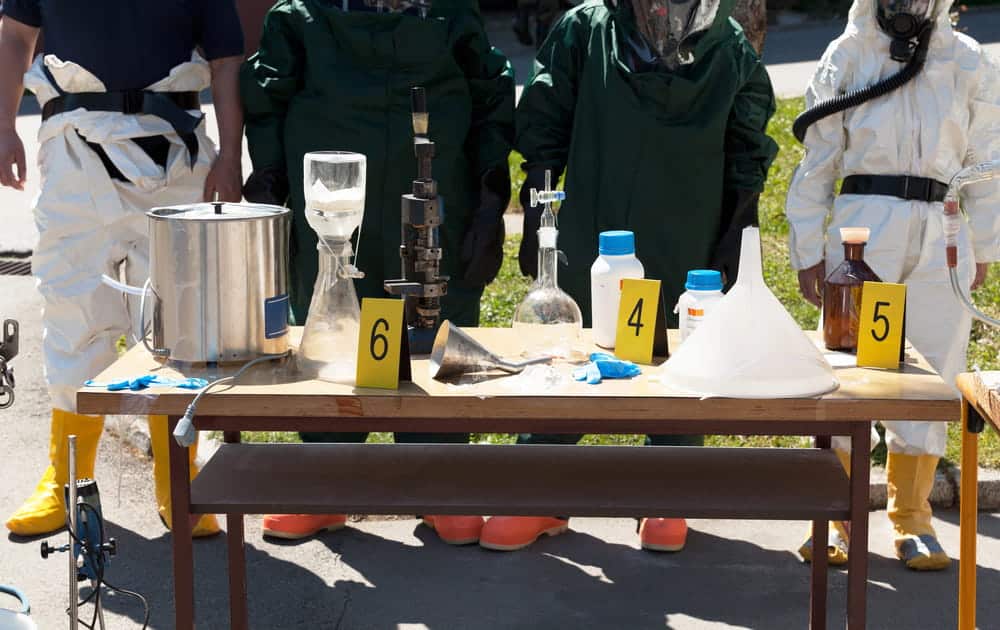
Police searching a Clinton home discover chemical containers, packaging supplies, and equipment that investigators believe were used to manufacture illegal drugs. These discoveries may lead to a drug manufacturing charge, but suspicious materials alone do not prove that a resident knowingly manufactured a controlled substance. Prosecutors must prove beyond a reasonable doubt that the accused knowingly manufactured a controlled substance or is legally responsible for that conduct.
Tennessee prohibits knowingly manufacturing controlled substances and separately criminalizes possession with intent to manufacture, deliver, or sell them. These are distinct allegations, so prosecutors must establish the conduct required for the particular charge rather than treating every suspicious purchase as manufacturing.
Laboratory reports, search photographs, witness statements, and electronic messages can help establish what happened and who allegedly participated. When several people share a property, prosecutors must connect the accused to the alleged manufacturing rather than rely on shared access alone. Christmas Law Group’s Clinton drug manufacturing lawyer can review these connections and identify evidence that may challenge the prosecution’s allegations.
Key Takeaways
- Prosecutors must establish knowing manufacturing conduct, not simply show that someone recognized suspicious materials inside a shared property.
- Manufacturing and possession with intent to manufacture are separate allegations requiring proof of the applicable statutory elements.
- Laboratory results can identify controlled substances, but other evidence must establish the accused person’s alleged involvement.
- Access to a garage, room, or storage area does not automatically establish responsibility for activities occurring there.
What Must Prosecutors Prove in Drug Manufacturing Cases?
The prosecution must identify the charged conduct because evidence supporting possession with intent does not necessarily prove completed manufacturing activity.
How Does Knowing Conduct Affect the State’s Burden?
Recorded statements, purchase histories, and messages describing production activities can reveal what someone understood about the materials and their intended use. Prosecutors may also examine whether the accused controlled equipment, gave instructions, or performed activities connected with the alleged manufacturing operation. A person’s awareness of another resident’s activities does not automatically establish that the person knowingly participated in manufacturing illegal drugs.
How Must Prosecutors Link an Accused Person to Manufacturing?
A person may face criminal responsibility for drug manufacturing without personally operating the equipment used in the alleged offense. Tennessee law recognizes liability when someone acts with intent to promote or assist an offense and solicits, directs, aids, or attempts to aid its commission. Instructions, coordinated purchases, or deliberate assistance may help establish that intent, while property ownership alone does not prove participation.
What Evidence Can Prove Drug Manufacturing Occurred?
Investigators can compare recovered substances, equipment conditions, and purchase records to determine whether materials were used in conduct legally classified as manufacturing.
What Can Physical Evidence Reveal About Manufacturing?
Chemical residues inside containers may indicate prior processing, while photographs can document equipment arrangements when officers discovered the suspected operation. However, ordinary household supplies have legitimate uses, and their presence alone does not establish illegal manufacturing. Investigators must examine whether testing results, equipment conditions, and other records connect those materials to the alleged offense.
- Suspected substances and residues: Laboratory analysis can identify recovered materials and determine whether particular samples contain controlled substances.
- Equipment and containers: Photographs, chemical traces, and documented conditions can help establish whether items were used during processing.
- Packaging and labeling materials: Residues, markings, or related records may connect these supplies with preparing controlled substances for distribution.
- Receipts and purchase records: Transaction details may identify purchasers and dates, although buying supplies does not necessarily establish illegal use.
How Can Prosecutors Establish What the Evidence Shows?
The Tennessee Bureau of Investigation provides forensic chemistry services that can assist investigations involving suspected controlled substances in Anderson County. When evidence is submitted for examination, identifying records help connect laboratory findings to the materials officers actually recovered. Comparing those records with collection photographs and evidence labels can reveal whether a reported result concerns the substances relevant to the charge.
Can Circumstantial Evidence Prove Drug Manufacturing?
Circumstantial evidence can establish facts about the alleged offense without requiring a witness to observe every stage of the manufacturing process.
Must Anyone Witness the Alleged Manufacturing Activity?
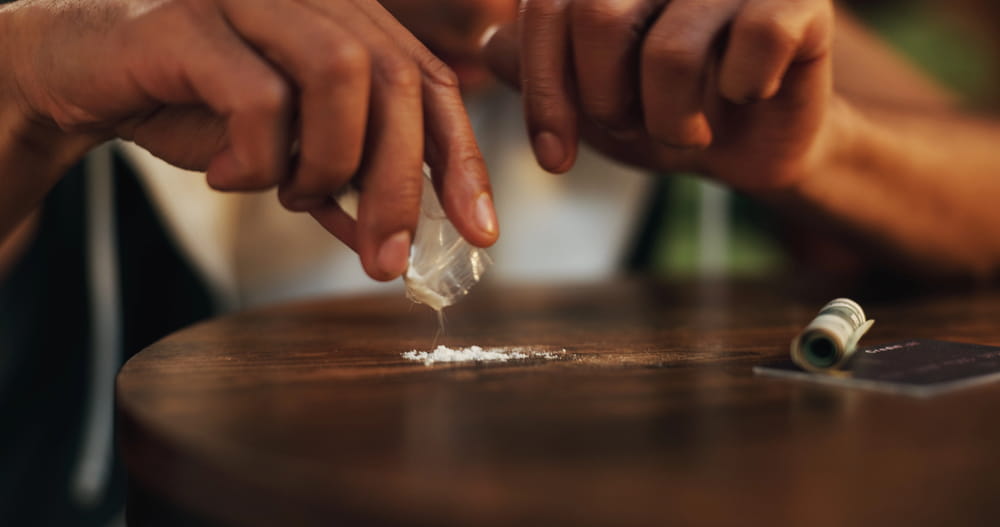
Prosecutors do not necessarily need an eyewitness who personally observed the accused manufacturing a controlled substance. Photographs, electronic messages, purchase records, and witness observations may collectively establish facts about the alleged activity. The prosecution must still prove every required element beyond a reasonable doubt, even when its case relies entirely on circumstantial evidence.
What Conduct Can Legally Count as Drug Manufacturing?
Tennessee defines manufacturing to include producing, preparing, processing, packaging, repackaging, or labeling controlled substances, subject to exceptions in Tennessee Code § 39-17-402(15). The definition also excludes specified personal-use preparation and authorized professional activities, so the surrounding circumstances can determine whether conduct qualifies. Finding unopened packaging supplies differs from proving that someone actually packaged drugs, although separate possession-with-intent allegations may raise different questions.
When Can Evidence Fall Short of Proving Manufacturing?
A receipt may identify a purchaser, but it cannot independently establish how the purchased materials were used.
When Does Mere Presence Fall Short of Participation?
Officers searching a shared Clinton garage discover suspected drug-processing equipment and a receipt for chemical supplies bearing one resident’s name. The resident says those chemicals were purchased for household repairs and denies using the equipment for any illegal activity. In an Anderson County prosecution, the receipt’s significance depends on whether other evidence connects that resident to knowing manufacturing.
When Can Evidence-Handling Problems Affect the Case?
Evidence handling becomes important when officers recover similar containers from different rooms and submit selected samples for laboratory examination. Collection photographs, identifying labels, and transfer records help establish where each item originated and which samples underwent testing. Missing records or conflicting descriptions may weaken confidence in the findings, although admissibility depends on the applicable evidence rules and circumstances.

How Do Prosecutors Build a Drug Manufacturing Case?
In Anderson County, felony drug manufacturing cases may begin in General Sessions Court before proceeding through a grand jury to Criminal Court. At a preliminary hearing, when held, the court determines whether probable cause supports the charge. If the case proceeds to trial, prosecutors must prove every required element beyond a reasonable doubt.
How Can Statements and Digital Evidence Support the Case?
Messages describing equipment purchases or production plans may indicate coordination when their dates match documented transactions or other investigative findings. Investigators can compare account records, message histories, and witness statements to determine whether the accused actually sent or received those communications. Disputed account access, missing conversations, or inconsistent timestamps may weaken the connection between the messages and the alleged manufacturing activity.
How Do Different Pieces of Evidence Work Together?
A laboratory result may identify a controlled substance, but it does not establish who manufactured or packaged it. Prosecutors must connect that finding to the accused through reliable evidence, such as authenticated communications, witness accounts, or documented activity. Differences between collection records, purchase dates, and witness statements may weaken the connection prosecutors seek to establish.
Contact a Clinton Drug Manufacturing Lawyer
Drug manufacturing allegations may involve disputed laboratory findings, shared property, and conflicting accounts of who handled suspected materials. Examining search records, photographs, and communications together can help determine whether the evidence supports the particular charge and the accused person’s alleged involvement.
Christmas Law Group represents people facing drug-related criminal charges in Clinton and other East Tennessee communities. Our Clinton drug crimes lawyer can review search records, laboratory reports, and evidence supporting the alleged manufacturing charge. Contact us today or call (865) 378-7779 to request a consultation about the allegations, available investigative records, and possible issues requiring further examination.