Most people do not expect a traffic stop in Knoxville to create immediate concerns involving licenses, court obligations, employment, and future records. A DUI defense lawyer in Knoxville reviews how the stop occurred, how testing was handled, and whether officers followed required procedures during the investigation. This early review is often an important part of criminal defense in Knoxville because the direction of the charge may depend heavily on the reliability of the evidence and how the surrounding facts are later interpreted under Tennessee law.
The first concerns often involve why the vehicle was stopped and how the investigation was handled afterward. Police reports, body camera footage, field sobriety testing, breath or blood testing, and officer observations may all require careful examination. Clients can also learn more about our DUI defense practice and how these evidence issues may affect the direction of a case.
A DUI charge may also create immediate problems involving transportation, employment, insurance costs, court obligations, and driver’s license concerns. Administrative deadlines and court appearances sometimes arise before a person fully understands what the process involves. Because of this, early legal review often helps individuals address urgent issues while preparing for later stages of the case.
As the case progresses, attention usually shifts to whether the evidence was properly gathered and handled. Testing procedures, calibration records, witness observations, and available video footage may reveal factual disputes or procedural concerns that affect the prosecution’s position. Those issues may later influence negotiations, suppression arguments, or trial preparation, depending on how the case develops.
Our firm assists clients facing DUI charges in Knoxville and throughout Knox County with steady and practical legal guidance. Whether the stop happened on Kingston Pike, near the University of Tennessee campus, or on Interstate 40, the case will be heard at the City County Building in downtown Knoxville. We review the arrest process, testing methods, police conduct, and available evidence to help clients clearly understand their legal options. Early legal involvement often creates stronger opportunities to protect important rights and respond more effectively as the case moves forward.
Building a DUI Defense Around the State’s Burden of Proof
Impairment, BAC, and Physical Control Under Tennessee Law
Tennessee DUI defense begins with what the state must prove. Under Tenn. Code Ann. § 55-10-401, the charge must meet specific legal requirements. That means prosecutors need evidence that supports each required element, not just concern, suspicion, or assumption.
The law covers driving or being in physical control of a vehicle in a public place. It may apply when alcohol, drugs, controlled substances, or a combination of substances affects the person’s ability to drive safely. Because the statute is broad, each case depends on the specific facts behind the allegation.
For most adult drivers, Tennessee uses a 0.08% BAC limit. Still, a case may involve impairment claims without relying only on BAC. Prosecutors may use test results, officer observations, or both to support the charge.
That distinction affects how the defense reviews the case. The question is whether admissible evidence supports the exact theory prosecutors use. If the facts do not match that theory, important issues may need closer attention.
Proof Gaps That May Weaken the DUI Charge
A defense review may begin with whether the person was actually driving. In some cases, the issue is physical control rather than movement. That question can matter when a vehicle was parked, stopped, or not clearly operating.
The next step is reviewing how the evidence connects to the charge. Important evidence may include:
- driving behavior
- officer observations
- test results
- field testing
- video footage
These details should work together rather than create unanswered questions.
Proof gaps may appear when reports are incomplete or unclear. Statements may conflict, or driving evidence may not fully support the allegation. Test results may also raise concerns when they do not match the remaining evidence.
These weaknesses do not mean every case will be reduced or dismissed. They may still affect negotiations, motions, trial preparation, or overall strategy. A careful review keeps the defense focused on proof, procedure, and reliability.
Where DUI Stops and Arrests Happen in Knoxville
Common DUI Stop Locations and Checkpoints
DUI stops in Knoxville often take place along busy corridors such as Kingston Pike and Chapman Highway and on Interstates 40, 75, and 640. Others begin late at night near the Old City, Market Square, and the Cumberland Avenue Strip beside the University of Tennessee. On University of Tennessee home game days, the Knoxville Police Department has said it assigns officers to the Cumberland Avenue area, the Old City, and downtown well after the game ends.
Sobriety checkpoints are another common starting point. Recent Knoxville Police Department checkpoints have been set up on Kingston Pike in West Knoxville and on Volunteer Boulevard on the University of Tennessee campus. The Tennessee Highway Patrol publishes its checkpoint schedule each month, and its 2026 Knox County locations have included Oak Ridge Highway in Karns, Schaad Road, Cherokee Trail, Mascot Road, Maryville Pike, and Governor John Sevier Highway.
Tennessee courts require checkpoints to follow guidelines set in advance that limit the discretion of officers at the scene. When a checkpoint was not planned or operated that way, the stop itself may be challenged. Our guide explains how DUI checkpoints work in Knoxville in more detail.
Not every case begins with a traffic stop. Many DUI investigations start at a crash scene or after another driver reports erratic driving, and some involve a parked vehicle, where the question becomes physical control rather than driving. Stops near campus can also involve drivers under 21, and a separate guide covers what happens after an underage DUI in Knoxville.
Agencies That Make DUI Arrests in Knox County
The location of a stop usually determines which agency made the arrest. The Knoxville Police Department covers the city, while the Knox County Sheriff’s Office patrols areas outside the city limits such as Farragut, Powell, Halls, and Karns. The Tennessee Highway Patrol works the interstates and state highways, and University of Tennessee police patrol the campus and nearby streets.
Location also affects how roadside evidence should be viewed. Field sobriety tests performed on an interstate shoulder, a sloped parking lot, or a dimly lit side street may be less reliable than the report suggests. A Knoxville DUI lawyer uses those details to decide which records to request and which parts of the stop to challenge.
Early Defense Review After a Knoxville DUI Arrest
Booking, Bond Conditions, and the First Court Date
After a DUI arrest in Knox County, most people are taken for booking to the Knox County Intake Center, located inside the Roger D. Wilson Detention Facility on Maloneyville Road. A magistrate or judge then sets bond and any release conditions. Family members can check the Knox County Sheriff’s Office inmate population list for the charges, bond amount, and court date, and the Criminal Court Clerk publishes current bond information.
Release conditions may depend on the facts of the case and the court’s concerns. Some orders may address driving, travel, alcohol use, testing compliance, or future appearances. Because these terms can affect daily life, they should be reviewed carefully.
The first court date is important because it sets the case in motion. A person released before seeing a judge or magistrate must first appear in Bonded Arraignment Court at the City County Building, and failing to report can lead to arrest. The Criminal Court Clerk offers an online court date search for anyone who is unsure when or where to appear.
Early defense review helps connect these first steps to the larger case strategy. The goal is not only to understand the paperwork, but also to protect options before the case advances. Careful preparation can reduce confusion before later court decisions begin shaping the case.
Reports, Footage, and Testing Records
A DUI defense attorney may begin by reviewing records created during and after the arrest. These records may include:
- police reports
- court paperwork
- testing records
- license-related records or concerns
Together, these records help show how officers and prosecutors built the case.
Video evidence may also play an important role in the review. Relevant materials may include:
- body camera footage
- dash camera footage
- field sobriety instructions
- witness information
These materials can confirm parts of the report or raise new questions.
Which agency made the stop affects what footage exists. Knoxville Police Department officers are equipped with body cameras, and their patrol vehicles carry in-car camera systems, so video is often available for a stop inside the city. Each agency keeps its own reports and recordings, which means evidence requests must go to the right source.
Time-sensitive evidence can become harder to preserve and analyze as the case moves forward. Video footage, officer documentation, testing records, and witness information may require early attention after an arrest. Addressing those issues promptly can help protect useful information before delay creates avoidable problems for the defense.

Evidence That Can Shape a Knoxville DUI Defense
Police Reports, Video Footage, and Field Sobriety Testing
Police reports often begin with the officer’s claimed observations during the stop. These may include:
- odor of alcohol or substances
- speech patterns
- balance and coordination
- physical appearance
- driving behavior
- statements made during the stop
- overall conduct during the encounter
Each detail matters because reports often shape how prosecutors first view the case.
Video footage may support the written report, but it may also raise questions. Body camera and dash camera footage can show what happened during the encounter. When footage differs from the report, the defense may need closer review.
A defense review may compare reports with dispatch records, witness statements, and the stop timeline. This comparison can show whether the officer’s account matches the full sequence. It may also reveal gaps that affect how the evidence should be viewed.
Field sobriety testing can raise concerns beyond performance alone. Several outside factors may affect the results, including:
- instructions given by the officer
- road surface conditions
- footwear
- lighting and weather
- fatigue or anxiety
- injury or medical conditions
Because officers interpret these tests, their conclusions should be compared with more objective evidence.
Breath, Blood, and Refusal Evidence in DUI Cases
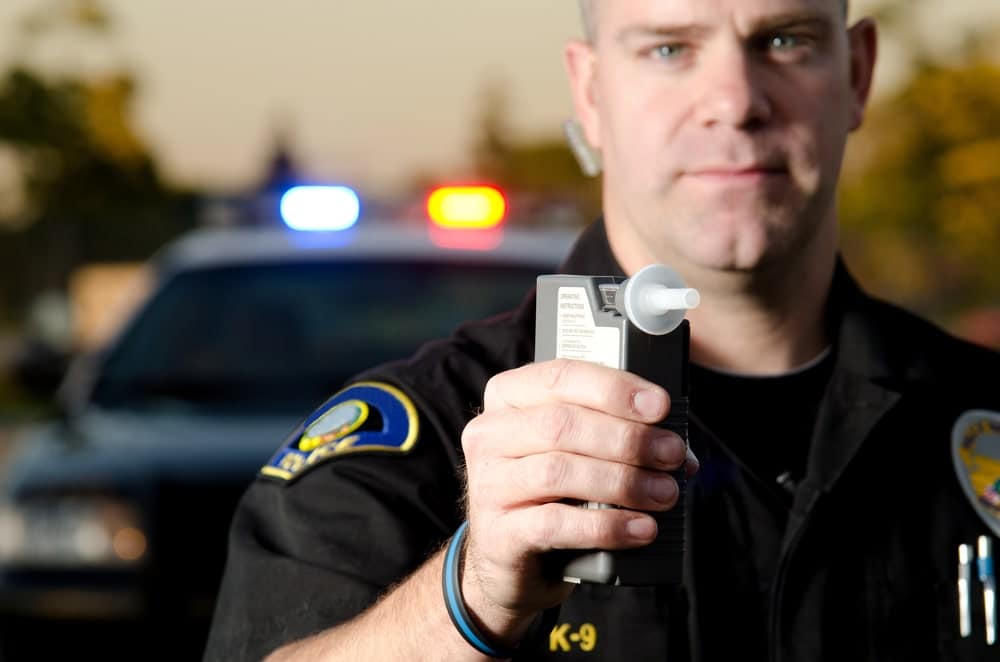
Breath test review often focuses on how the test was prepared and performed. Observation periods, calibration, maintenance logs, operator training, timing, and concerns about mouth alcohol may all matter. The result should also be compared with officer observations, video footage, and the timeline of the stop.
A blood test review may involve the chain of custody, sample handling, and storage conditions. Lab procedures, reporting methods, testing timing, and interpretation can also affect reliability. These details help determine whether the result can be trusted.
In Tennessee, evidentiary breath instruments are certified and calibrated by the Tennessee Bureau of Investigation, which operates a regional crime laboratory in Knoxville with toxicology and breath alcohol units. Blood samples in Knox County DUI cases are generally sent to a TBI laboratory for analysis. Certification records, lab reports, and the analyst’s notes may all be requested and reviewed by the defense.
Drug-related allegations may require a different review because presence does not always prove impairment. A substance may appear in testing without showing its effect while driving. That distinction can become important when the state relies on chemical results.
Refusal evidence must also be reviewed with care. A refusal can create license-related consequences, but it is not an automatic criminal conviction. Testing concerns may affect motions, negotiations, trial preparation, or overall risk assessment.
Tennessee DUI Penalties That Make Defense Strategy Critical
First DUI Penalties and High BAC Exposure
A first conviction can carry serious penalties, even without a prior record. Under Tennessee law, jail exposure can range from 48 hours to 11 months and 29 days. That range makes early review important before court deadlines, evidence issues, or negotiations begin narrowing available options.
A first DUI conviction in Tennessee may involve:
- jail ranging from 48 hours to 11 months and 29 days
- fines from $350 to $1,500
- a 1-year driver’s license revocation
These penalties can quickly affect work, transportation, and daily obligations.
High BAC allegations can increase the minimum jail exposure. If the BAC is 0.15% or higher, the minimum becomes 7 consecutive days. That change makes testing accuracy and timing especially important.
Other consequences may include:
- court costs
- DUI school requirements
- probation conditions
- ignition interlock requirements
- insurance-related consequences
Because these penalties can add up quickly, the defense should review the stop, arrest, testing, and evidence carefully. Even a first charge deserves close attention before any decision is made.

Repeat DUI Penalties, Felony Risk, and License Loss
A second conviction brings higher mandatory penalties under Tennessee law.
- Second DUI conviction
- jail ranging from 45 days to 11 months and 29 days
- fines from $600 to $3,500
- 2-year license revocation
That loss of driving privileges can affect work, family responsibilities, and daily travel. Because of that risk, prior conviction history should be reviewed carefully.
A third conviction carries even greater exposure.
- Third DUI conviction
- jail ranging from 120 days to 11 months and 29 days
- fines from $1,100 to $10,000
- 6-year license revocation
A fourth conviction is treated as a felony under Tennessee law.
- Fourth or subsequent DUI conviction
- minimum of 150 consecutive days in custody
- fines from $3,000 to $15,000
- 8-year license revocation
Additional classifications may also apply:
- A fifth DUI conviction is sentenced as a Class D felony
- A sixth or later DUI conviction is treated as a Class C felony
How DUI Cases Move Through Knox County Courts
General Sessions Proceedings After a DUI Arrest
Knoxville DUI cases begin in Knox County General Sessions Court, located on the main floor of the City County Building on Main Street in downtown Knoxville. The court sets aside one of its divisions for DUI offenses, and that division also hears related charges such as vehicular assault and vehicular homicide. The Knox County District Attorney General’s Office also has prosecutors assigned to a DUI unit.
Early proceedings may involve arraignment, bond conditions, scheduling, discovery issues, and discussions with the prosecutor. The Criminal Court Clerk lists an 8:30 a.m. start for General Sessions criminal courts, but the date, time, and courtroom on a person’s own paperwork control. A DUI attorney may help the person understand each court requirement and reduce missed appearances, overlooked notices, or confusion about deadlines.
Misdemeanor DUI cases and felony-level DUI allegations may follow different paths. Misdemeanor cases may be resolved in General Sessions Court, while a fourth or later DUI is a felony that moves toward grand jury review and Knox County Criminal Court, which sits in the same building. A person arrested on a felony charge before indictment is entitled to a preliminary hearing, which Tennessee’s rules of criminal procedure call for within 14 days when the person remains in custody and within 30 days after release.
Local court knowledge matters most when it supports defense preparation. The goal is not only to appear in court, but to understand each appearance. With that clarity, the defense can respond with a more organized plan.
Suppression Motions, Negotiations, and Trial Preparation
After early court proceedings, the case may move to a deeper review of the evidence. This stage may involve pretrial hearings, suppression motions, negotiations, or trial preparation. Each step depends on the facts, the evidence, and the charge level.
A Knoxville DUI lawyer may challenge evidence when legal standards were not followed. Issues may involve the stop, arrest, testing process, statements, or any search connected to the case. If the procedure was flawed, the defense may seek to limit that evidence.
Negotiations may depend on several case-specific factors. Prior DUI history, chemical test results, prosecutor review, and client goals can all matter. The strength of the evidence often shapes whether negotiation or trial preparation makes sense.
How a Knoxville DUI Defense Lawyer Protects the Case
Finding Weaknesses in the Stop, Arrest, and Evidence
A defense review often begins by gathering the records that shape the case. These may include:
- police reports
- chemical test results
- video footage
- witness statements
- dispatch logs
- court documents
Prior DUI history and implied consent concerns may also need careful review.
From there, the attorney may examine how the stop and arrest developed. Important issues may involve:
- field sobriety testing
- breath testing
- blood testing
- refusal allegations
- prior convictions
Each detail can affect how the defense understands the state’s case.
Useful defense work often focuses on whether the evidence meets required legal standards. This may involve challenging probable cause, questioning the reliability of testing, or comparing reports with video. When the facts support it, motions may be filed to limit or challenge evidence.
The strategy should depend on the facts, not a generic defense formula. Some cases require a narrow challenge, while others need broader preparation. A careful review helps shape the defense around the actual evidence involved.
Court Representation, Negotiations, and Trial Planning
A DUI lawyer may appear in court and handle communication with prosecutors. The lawyer may also file motions, negotiate when appropriate, and prepare for trial when needed. In Knoxville and Knox County cases, each step should support the larger defense plan.
Legal counsel may also help prevent damaging procedural mistakes during the case. Missed court dates, lost evidence opportunities, public statements, and confusion about license issues can create avoidable harm. Clear guidance helps the person understand what to do and what to avoid.
Negotiations may become appropriate when the evidence and circumstances support that path. In other cases, trial preparation may be necessary to fully challenge the charge. The decision should follow the evidence, the risks, and the client’s goals.
The goal is to protect rights and reduce avoidable harm throughout the case. It is also to pursue the strongest available defense based on the evidence. No outcome can be promised, but careful preparation can improve how the case is handled.
Why Choose Christmas Law Group for DUI Defense in Knoxville
Founder D.T. Christmas trains police officers and defense attorneys across the country on DUI investigations and defense strategy. He uses that same knowledge to challenge breath tests, field sobriety testing, and the traffic stop itself. He earned his law degree cum laude from Lincoln Memorial University’s Duncan School of Law in downtown Knoxville.
Christmas Law Group represents clients facing DUI charges throughout Knoxville and Knox County, including Farragut, Powell, Halls, Fountain City, Karns, and West Knoxville. Familiarity with the DUI division of General Sessions Court, local prosecutors, and Knox County judges allows for better preparation and more informed decision-making. This insight becomes valuable when evaluating options such as negotiation, motions, or trial.
The firm also provides DUI defense in Clinton and Anderson County, along with representation in related matters such as felony DUI, CDL DUI, and BUI charges on Fort Loudoun Lake. Clients facing other allegations can learn more about our work on drug charges in Knoxville and domestic violence charges in Knoxville.
The firm answers calls 24 hours a day, accepts collect calls from jail, and offers a free and confidential consultation. Clients receive direct communication and a straightforward assessment of where the case stands.

Frequently Asked Questions About DUI Defense in Knoxville
How Soon Should I Contact a DUI Defense Lawyer in Knoxville?
You should contact a DUI defense lawyer as soon as possible after an arrest. Court dates, testing records, license concerns, and evidence requests can arise quickly. Early review helps protect important options before the case moves further.
Where Is DUI Court in Knoxville?
DUI cases in Knoxville are heard in the DUI division of Knox County General Sessions Court, located on the main floor of the City County Building at 400 Main Street in downtown Knoxville. Felony DUI cases that are indicted move to Knox County Criminal Court in the same building. The date, time, and courtroom on a person’s own paperwork should be confirmed before every appearance.
What Happens at the First Court Date for a DUI in Knox County?
The first court date usually addresses the charge, bond, release conditions, and scheduling. A person released before seeing a judge or magistrate must first appear in Bonded Arraignment Court, and failing to report can lead to arrest. A lawyer can review the evidence before any plea decision is made.
What Penalties Apply After a First DUI Conviction in Tennessee?
A first DUI conviction can carry 48 hours to 11 months and 29 days in jail. It can also include fines of $350 to $1,500 and a 1-year license revocation. If the BAC is 0.15% or higher, the minimum jail time increases to 7 consecutive days.
Can a Knoxville DUI Charge Be Reduced or Dismissed?
A Knoxville DUI charge may be reduced or dismissed only when the facts support that result. The outcome may depend on the stop, arrest, testing, evidence, prior history, and prosecutor review. Available legal challenges may also affect how the case moves forward.
Can I Lose My License After a DUI Arrest in Tennessee?
License consequences depend on the facts of the case and how the charge develops. A conviction, an allegation of refusal, a prior history, or a restricted license issue may affect driving privileges. Because these concerns can move quickly, they should be reviewed early.
When Is a DUI Charged as a Felony in Tennessee?
A fourth DUI is treated as a felony under Tennessee law. It carries a minimum of 150 consecutive days in custody if there is a conviction. A fifth DUI is sentenced as a Class D felony, while a sixth or later DUI is a Class C felony.
Are There DUI Checkpoints in Knoxville?
Yes. The Knoxville Police Department and the Tennessee Highway Patrol both conduct sobriety checkpoints in Knox County, and the Highway Patrol publishes its checkpoint schedule each month. Recent locations have included Kingston Pike in West Knoxville, Volunteer Boulevard on the University of Tennessee campus, and county roads such as Oak Ridge Highway and Mascot Road.
Contact a Knoxville DUI Defense Lawyer
A DUI charge in Knoxville can quickly affect your license, bond conditions, employment, insurance, and court deadlines. Early legal review can help clarify the stop, testing process, officer conduct, and evidence prosecutors may rely on.
Christmas Law Group helps individuals throughout Knoxville and Knox County understand the risks and next steps after a DUI arrest. If you are dealing with a DUI charge in Knoxville, TN, contact us or call (865) 378-7779 to discuss your case before court deadlines or license issues create added pressure.