Have you ever been driving home at night when traffic suddenly slows and flashing lights appear ahead? As you get closer, you realize officers are directing vehicles into a roadside checkpoint, leaving little time to wonder what happens next. What began as a routine trip can quickly turn into an unexpected encounter with law enforcement.
DUI checkpoints are designed to identify impaired drivers and reduce alcohol-related crashes across Tennessee. Unlike a traditional traffic stop, officers may briefly stop vehicles at a checkpoint without first observing a traffic violation. Because these encounters often happen unexpectedly, many drivers are unsure what officers may legally ask or investigate during the stop. Even so, these operations must comply with legal requirements that balance public safety with drivers’ constitutional rights.
Tennessee law prohibits driving while impaired by alcohol, drugs, or other intoxicating substances, and this rule forms the foundation of DUI enforcement throughout the state. Checkpoints are one of several methods used to investigate potential impairment and promote roadway safety. Understanding how these operations are conducted helps drivers better navigate encounters that often move faster than expected, and an experienced Knoxville DUI defense lawyer can provide guidance when legal questions arise.
Key Takeaways
- DUI checkpoints use predetermined procedures to identify impaired drivers and promote roadway safety.
- Officers briefly screen drivers and look for signs of alcohol or drug impairment.
- Tennessee courts require checkpoints to follow constitutional safeguards and neutral enforcement methods.
- Signs of impairment may lead to secondary screening and further DUI investigation.
Why Law Enforcement Uses DUI Checkpoints
Law enforcement agencies use checkpoints as part of broader efforts to improve safety on Tennessee roads.
Public Safety Goals of Checkpoint Operations
Checkpoint operations are intended to reduce crashes, injuries, and fatalities associated with impaired driving. Their visible presence reminds drivers to make safer choices before getting behind the wheel after consuming alcohol or drugs. In addition to identifying possible violations, these operations support larger traffic safety efforts aimed at protecting everyone who shares the road.
How Checkpoints Differ From Routine Traffic Stops
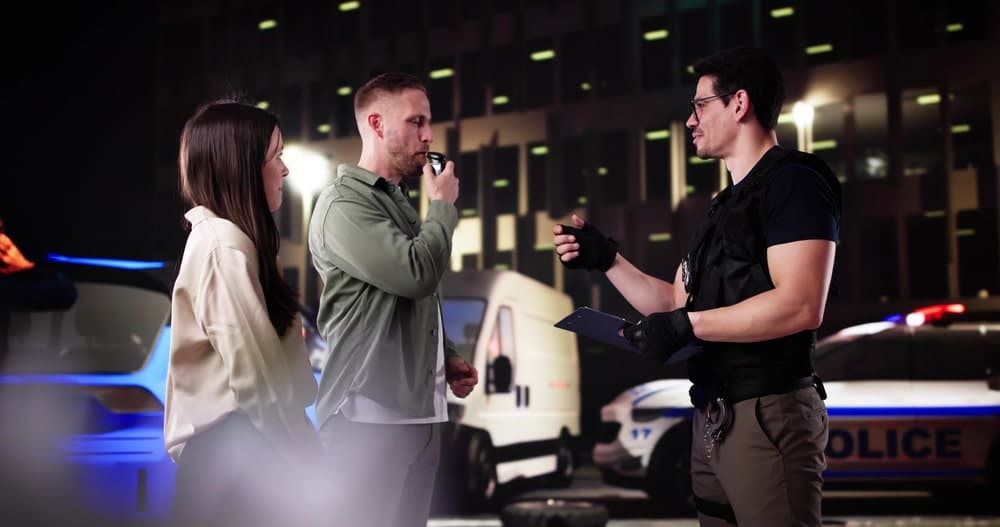
A checkpoint operates differently from a routine traffic stop because officers follow a predetermined plan when stopping vehicles. Rather than selecting drivers individually, they conduct brief screening interactions in accordance with established procedures. If an officer notices signs of impairment during that initial contact, the encounter may continue with additional investigation.
How DUI Checkpoints Are Conducted in Knoxville
Checkpoint operations require planning and coordination before officers begin stopping vehicles.
Agencies Involved in Checkpoint Operations
Checkpoint operations in Knoxville may involve the Knoxville Police Department, the Knox County Sheriff’s Office, or both agencies working together. These enforcement efforts often take place during weekends, holidays, and other periods when impaired driving concerns increase. Before a checkpoint begins, officers develop an operational plan that outlines procedures, staffing needs, and the selected location.
Factors That Influence Checkpoint Locations
Several factors may influence where a checkpoint is established, including traffic patterns, roadway conditions, and local safety concerns. Law enforcement agencies also consider enforcement goals when deciding where operations may have the greatest impact. For example, a driver traveling through Knoxville during a holiday weekend may encounter a checkpoint that was planned as part of a broader impaired-driving enforcement effort.
What Happens When Drivers Enter a Checkpoint
Many drivers are unsure what to expect when they approach a checkpoint for the first time.
Initial Screening Procedures
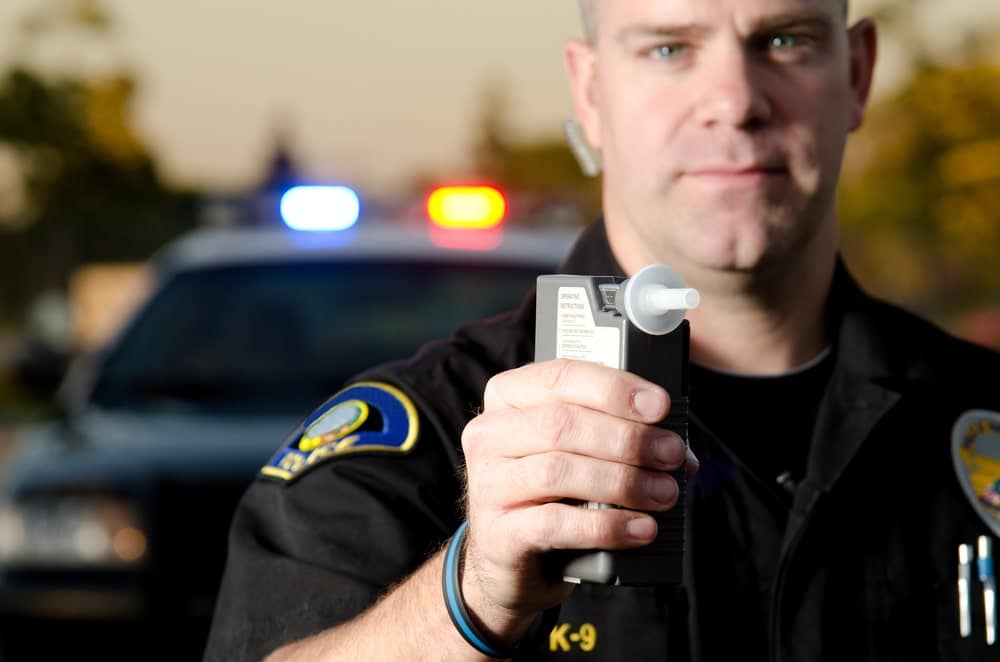
When a vehicle reaches a checkpoint, an officer typically makes brief contact with the driver and requests basic driving documents. The interaction is usually brief and may include a few routine questions while the officer assesses the situation. For most drivers, the process ends at this point, allowing them to continue on their way without significant delay.
Signs Officers Look for During Screening
Observations begin as soon as an officer approaches the vehicle and continue throughout the initial conversation. Officers may look for indicators such as the odor of alcohol, signs of drug use, slurred speech, confusion, or open containers inside the vehicle. Physical signs suggesting possible impairment may also influence whether the interaction continues to be investigated.
Legal Requirements for Checkpoint Operations
Checkpoint operations must follow specific legal standards that protect both public safety and individual rights.
Rules That Limit Officer Discretion
Checkpoint operations must be planned and supervised before officers begin stopping vehicles. The process for selecting vehicles must follow a neutral method so drivers are treated consistently throughout the operation. Because these procedures are established in advance, officers cannot rely on arbitrary enforcement practices when conducting checkpoint stops.
Court Decisions Shaping Checkpoint Practices
Tennessee courts review checkpoint operations to determine whether they comply with constitutional requirements. One important case, State v. Downey, 945 S.W.2d 102 (Tenn. 1997), established principles that continue to guide DUI checkpoint operations in Tennessee today. As a result, law enforcement agencies are expected to follow established safeguards to protect drivers’ rights during enforcement activities.
What Can Lead To Additional Investigation
Most drivers pass through a checkpoint after a brief interaction with law enforcement.
Circumstances That Trigger Secondary Screening
Officers may direct a driver to a separate screening area when they observe indicators that suggest possible impairment. This additional step allows officers to gather more information before deciding whether further investigation is necessary. However, secondary screening is not a routine part of every checkpoint encounter, and many drivers complete the process without any additional review.
Evidence Officers Evaluate During Screening
When a checkpoint encounter continues, officers may consider several factors while assessing the situation. These factors can include statements made by the driver, observations during the interaction, and information obtained through lawful investigative steps. For example, a driver approaching a Knoxville checkpoint may provide the requested documents without issue, but an officer who detects the odor of alcohol may decide that additional screening is appropriate.

Possible Outcomes Following a Checkpoint Stop
The outcome of a checkpoint stop often depends on what officers observe during the initial interaction.
When Drivers Are Allowed To Continue
Most checkpoint encounters conclude after the initial screening is completed. When drivers provide the requested information and show no signs of impairment, they are typically allowed to continue on their way. Because no further investigation is needed in these situations, most checkpoint interactions remain brief.
When Enforcement Action May Follow
A checkpoint encounter may continue when officers observe indicators that suggest possible impairment. As the investigation progresses, additional observations or evidence may affect how the situation is handled. Any enforcement action ultimately depends on the specific facts and circumstances identified during the encounter.
Contact a Knoxville DUI Defense Lawyer
DUI checkpoints in Knoxville are carefully planned operations intended to promote roadway safety while respecting constitutional protections. Officers follow established procedures, conduct brief screenings, and evaluate specific observations before deciding whether further investigation is necessary.
Understanding how these checkpoints operate can help drivers approach them with greater confidence and awareness. By knowing what officers look for, how screening decisions are made, and when legal concerns may arise, drivers can better navigate checkpoint encounters in Knox County.
At Christmas Law Group, we understand how stressful and uncertain a DUI investigation can feel, especially when questions arise about your rights and the checkpoint process. Our team takes the time to explain your options, review the facts of your case, and help you understand the legal issues involved. Contact us today or call (865) 378-7779 to speak with a legal professional about your situation. Let our experienced Knoxville DUI lawyers help you understand your rights and navigate the legal issues that may follow a checkpoint stop.