Officers search your home and find drugs in a bedroom, along with plastic bags, cash, and messages on a nearby phone. You may face drug distribution charges even when no officer claims to have witnessed a sale or delivery. Finding drugs and related items can support the prosecution’s case, but their presence alone does not prove selling or delivery.
Tennessee law prohibits knowingly manufacturing, delivering, selling, or possessing controlled substances with intent to manufacture, deliver, or sell them. These are separate forms of prohibited conduct. Prosecutors can use physical evidence, communications, alleged transactions, testing, and possession evidence to build different parts of their case.
The central question is how prosecutors connect those facts to you and the specific conduct they allege occurred. Evidence found nearby can carry different significance depending on who controlled the location and what the surrounding circumstances show. Christmas Law Group’s drug distribution lawyer in Clinton can review the search, seized evidence, statements, lab testing, and other facts prosecutors may rely on.
Key Takeaways
- Prosecutors must connect the accused to controlled substances and prove the specific distribution offense charged.
- A completed drug sale is unnecessary when prosecutors allege possession with intent to sell or deliver.
- Quantity, packaging, scales, cash, communications, and transactions may collectively support an alleged intent to distribute.
- Circumstantial evidence can support distribution allegations, but prosecutors must still prove every required element beyond a reasonable doubt.

What Must Prosecutors Prove in a Distribution Case?
What prosecutors must prove depends on whether the charge alleges a sale, delivery, or possession with intent.
Which Elements Depend on the Drug Charge Prosecutors File?
A sale, delivery, and possession with intent involve different conduct, so the prosecution must prove the elements of the charged offense. For possession with intent, prosecutors must prove knowing possession and evidence supporting an intent to sell or deliver. Mere proximity to drugs does not establish possession, and possession alone does not establish an intent to distribute them.
Must Prosecutors Show That an Actual Drug Sale Occurred?
Prosecutors do not need to prove a completed sale when they charge possession with intent to sell or deliver. Instead, quantity, packaging, cash, communications, and other circumstances can provide evidence of the alleged intent. The state must still prove the charged offense beyond a reasonable doubt.
What Evidence Can Show an Intent to Sell or Deliver?
Prosecutors may rely on quantity and surrounding circumstances together, but neither factor automatically establishes why someone possessed controlled substances.
When Can Drug Quantity Support an Inference of Intent?
Tennessee law allows drug quantity, together with other relevant circumstances, to support an inference that drugs were possessed for selling or dispensing, as explained in Tenn. Code Ann. § 39-17-419. For marijuana, the statute separately limits when intent to sell or dispense may be inferred solely from possessing or casually exchanging less than one ounce. Packaging, scales, cash, communications, or other surrounding evidence can strengthen or weaken the inference drawn from quantity.
What Can Packaging, Scales, and Cash Add to the Proof?
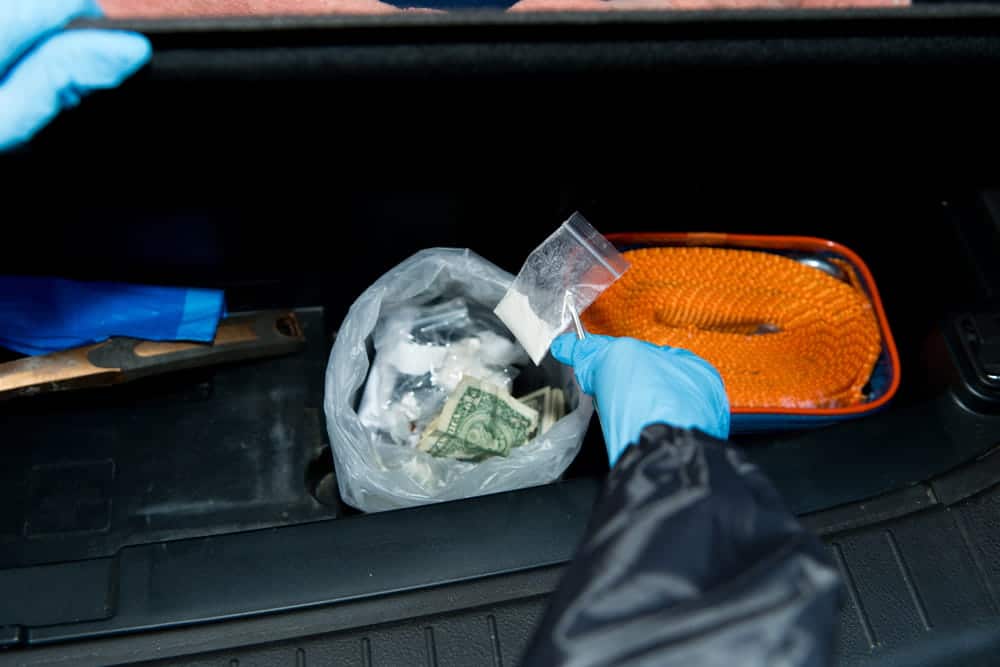
Packaging, scales, cash, and similar physical evidence can support an inference of intent when considered with the surrounding circumstances. Prosecutors may consider several physical items found with or near the substances:
- Separately packaged quantities
- Scales or other weighing equipment
- Unused bags or packaging materials
- Cash and its location when officers found it
- Records or objects allegedly connected with transactions
No listed item proves intent automatically, but several related circumstances can carry greater evidentiary weight when considered together.

How Can Transactions and Messages Strengthen the Proof?
Transactions and communications can connect alleged transfers to particular people, payments, meetings, quantities, or arrangements.
What Can an Observed Drug Transaction Show Prosecutors?
Witness testimony, surveillance, recordings, or controlled transactions can provide evidence that a transfer occurred and identify who participated. However, observing people interact does not necessarily establish what changed hands, why they met, or whether controlled substances were involved. A recorded exchange, controlled buy, or witness account can become more significant when other evidence identifies the substance and participants.
What Can Texts, Calls, and Statements Reveal About Intent?
Prosecutors may use admissible communications concerning prices, quantities, payments, meetings, customers, or transfers to provide context for alleged conduct. Those communications still need to connect to the accused, and authorship, timing, surrounding messages, and context affect their possible meaning. Slang or unexplained numbers require context, while attributed statements may help explain possession, payments, transactions, or intended transfers.
How Do Prosecutors Link Drugs to the Person Charged?
Evidence suggesting sales activity does not remove the prosecution’s separate burden of connecting the controlled substances to the person charged.
What Matters When Several People Could Access the Drugs?
Tennessee recognizes constructive possession when a person has the power and intent to exercise control over drugs without physically holding them. Suppose officers find several packages and a scale inside a vehicle occupied by two people. Mere presence is insufficient, so prosecutors need additional circumstances connecting the accused through belongings, statements, communications, conduct, or control over the location.
How Do Drug Identity and Weight Support the State’s Proof?
Prosecutors need evidence identifying the alleged controlled substance. Laboratory testing and testimony can address its identity, while measurements can establish the quantity involved. Identity and quantity show what substance officers found and how much, while possession asks whether the accused controlled it. Neither identification nor weight, by itself, explains who possessed the substance or whether that person intended to sell it.
How Do Prosecutors Combine Evidence to Prove Distribution?
Prosecutors may combine different categories of evidence to address possession, alleged intent, and the conduct underlying the specific charge.
How Can Separate Evidence Support the Same Distribution Theory?
Different evidence can address separate parts of the prosecution’s theory, including possession, intent, and an alleged transfer. Investigators may therefore examine who controlled the drugs, authored relevant messages, participated in alleged transfers, or possessed transaction-related items. Evidence supporting possession can help establish who controlled the drugs, while other circumstances can address whether an intent to sell or deliver existed. In a Clinton felony case, some of this evidence may become important during proceedings in Anderson County General Sessions Court. A preliminary hearing can address whether sufficient grounds exist for the felony charge to proceed further.
Can Circumstantial Evidence Prove Distribution Without a Sale?
Circumstantial evidence can prove intent even when prosecutors lack evidence of a completed sale. Rather than relying on one fact, prosecutors can ask whether several circumstances support the same inference of intent.
Contact a Clinton Drug Distribution Lawyer
A Tennessee drug charge involving an alleged sale, delivery, or intent may rely on direct evidence, circumstantial evidence, or both. Whatever evidence prosecutors use must still establish the required elements and connect the accused to the conduct alleged.
Christmas Law Group handles drug-crime matters for clients in Clinton, Knoxville, and East Tennessee. Our attorneys can examine how prosecutors obtained the evidence, connected it to the accused, and used it to support the specific charge. Contact us today or call (865) 378-7779 for a free, confidential consultation.